
Economic and fiscal overview
A Resilient Economy Supporting Improved Fiscal Outcomes
The global economy is more than a year into a profound rupture. Economic security, industrial policy, and geopolitical competition are increasingly shaping investment, trade, and financial decisions. The recent conflict in the Middle East—which has disrupted key shipping routes and damaged energy infrastructure—has pushed energy prices higher, underscoring the fragility of global supply chains, and adding to already elevated uncertainty.
Despite this environment, Canada's economy continued to expand, growing by 1.7 per cent in 2025. The economy avoided a recession and domestic activity remained solid, even as tariff increases and trade tensions weighed on activity. North American supply chains withstood disruptions more effectively than expected, with the Canada-U.S.-Mexico Agreement (CUSMA) protecting approximately 85 per cent of Canadian goods exports from recent U.S. measures.
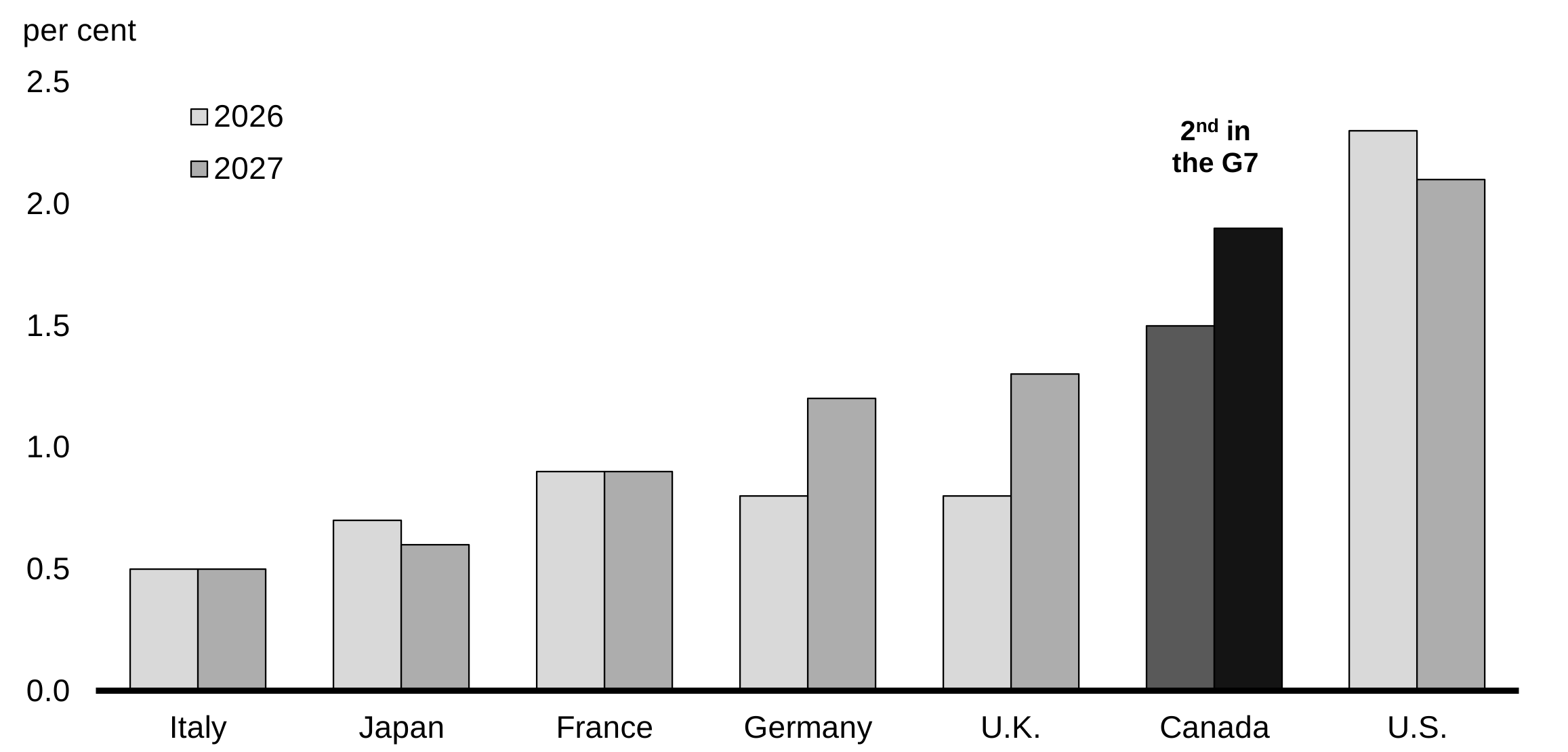
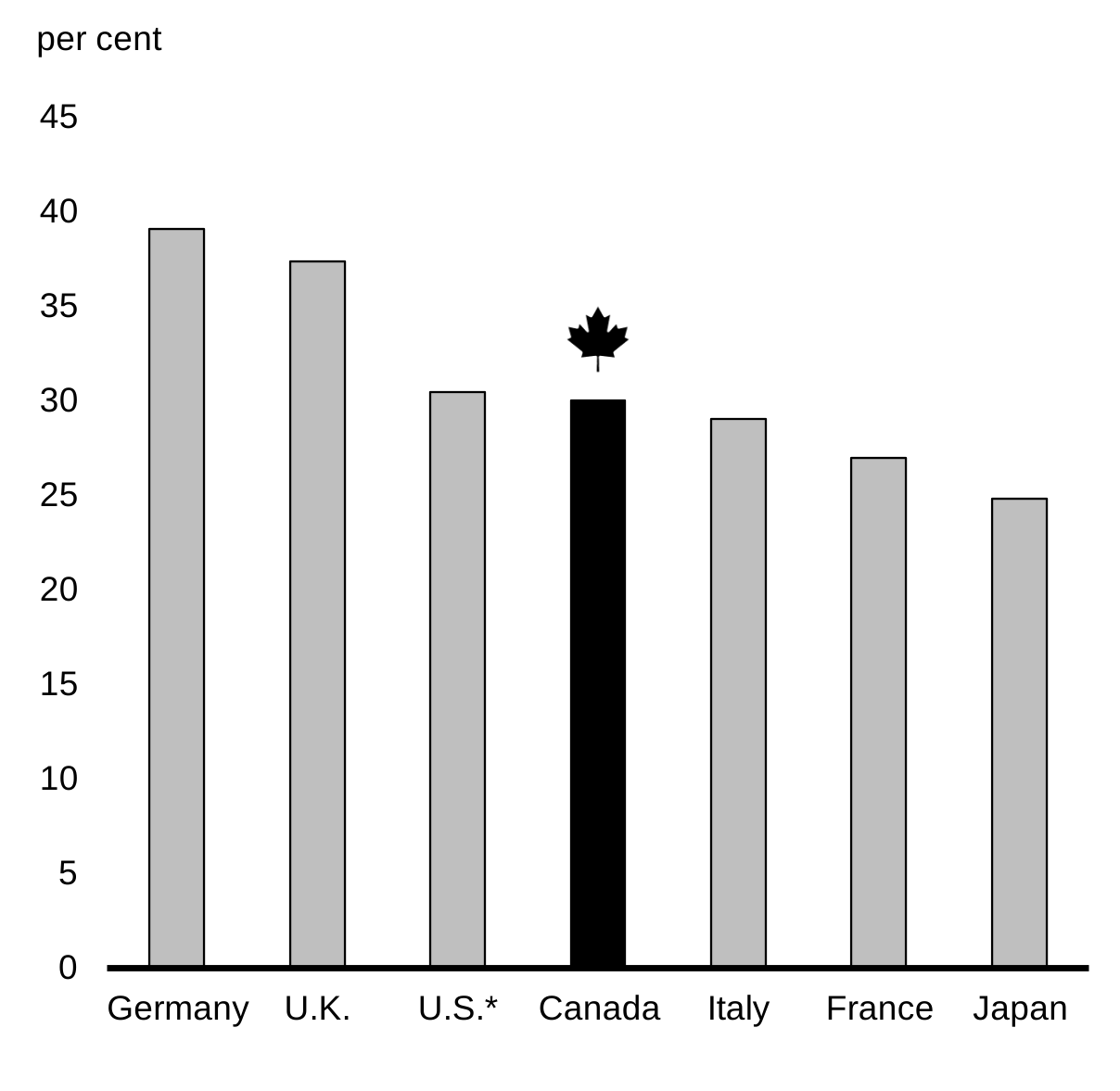
Businesses and workers have shown remarkable resilience in the face of significant uncertainty. Business sentiment has recovered and firms are diversifying suppliers and markets. Canada also continues to attract significant global capital—leading the G7 in per capita direct investment inflows—and the Statistics Canada survey of planned capital expenditures for 2026 indicates that businesses plan to step up capital spending this year. Reflecting this adaptability, the International Monetary Fund (IMF) expects Canada to post the second-fastest growth in the G7 over 2026 and 2027 (Chart 1).
The IMF Expects Canada to Have the Second-Fastest Growth in the G7
Real GDP Growth Outlook
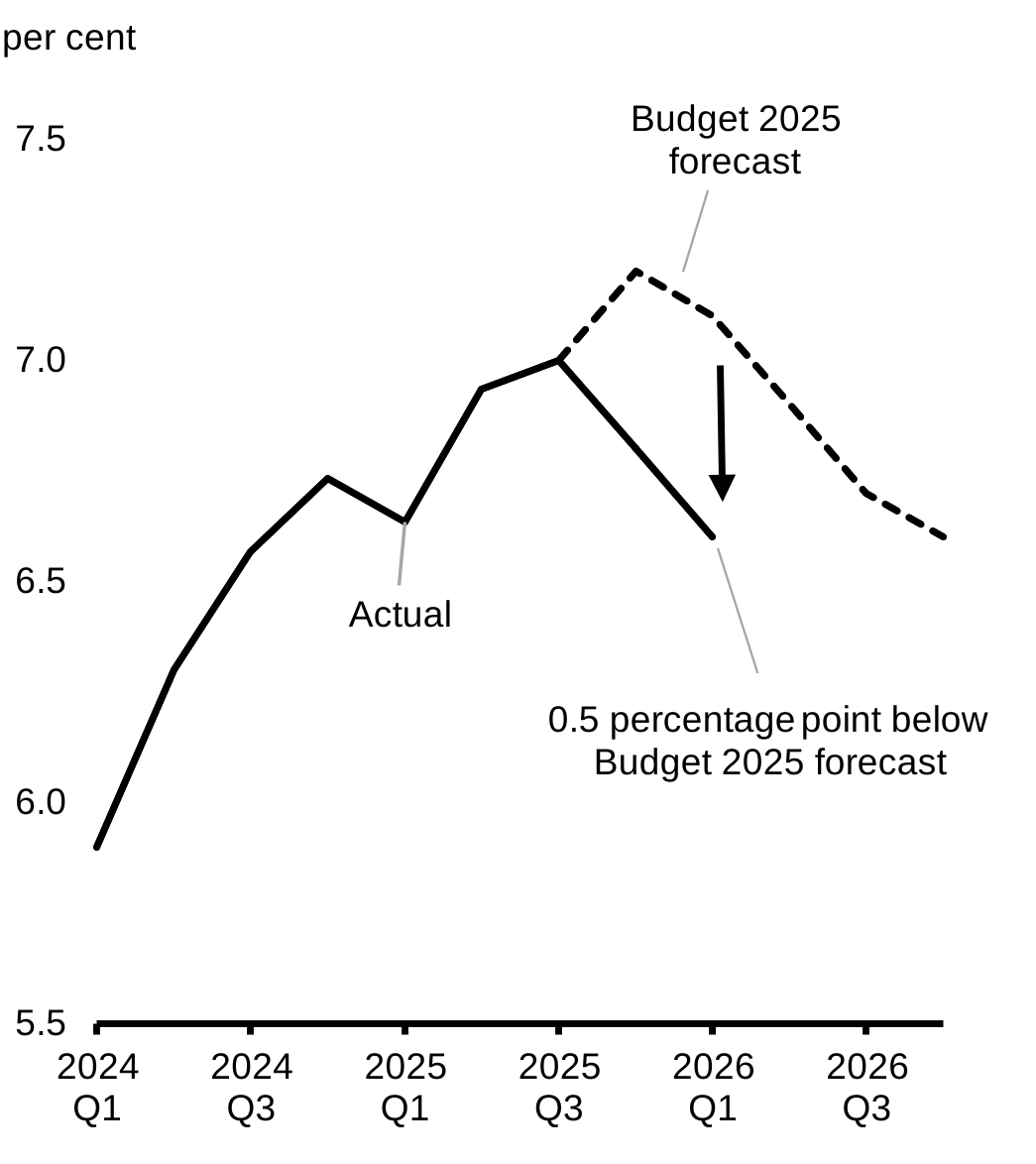
Labour market conditions have remained resilient. Since the start of 2025, Canada has added nearly three times as many jobs per capita (3.4 per 1,000 of population) as the U.S. (1.2 per 1,000). The majority of those jobs have been in the private sector. The unemployment rate peaked in September 2025 at 7.1 per cent, before falling to 6.7 per cent as of March—below private sector expectations at the time of Budget 2025. Wage growth has now outpaced inflation for more than three consecutive years, supporting continued gains in real incomes.
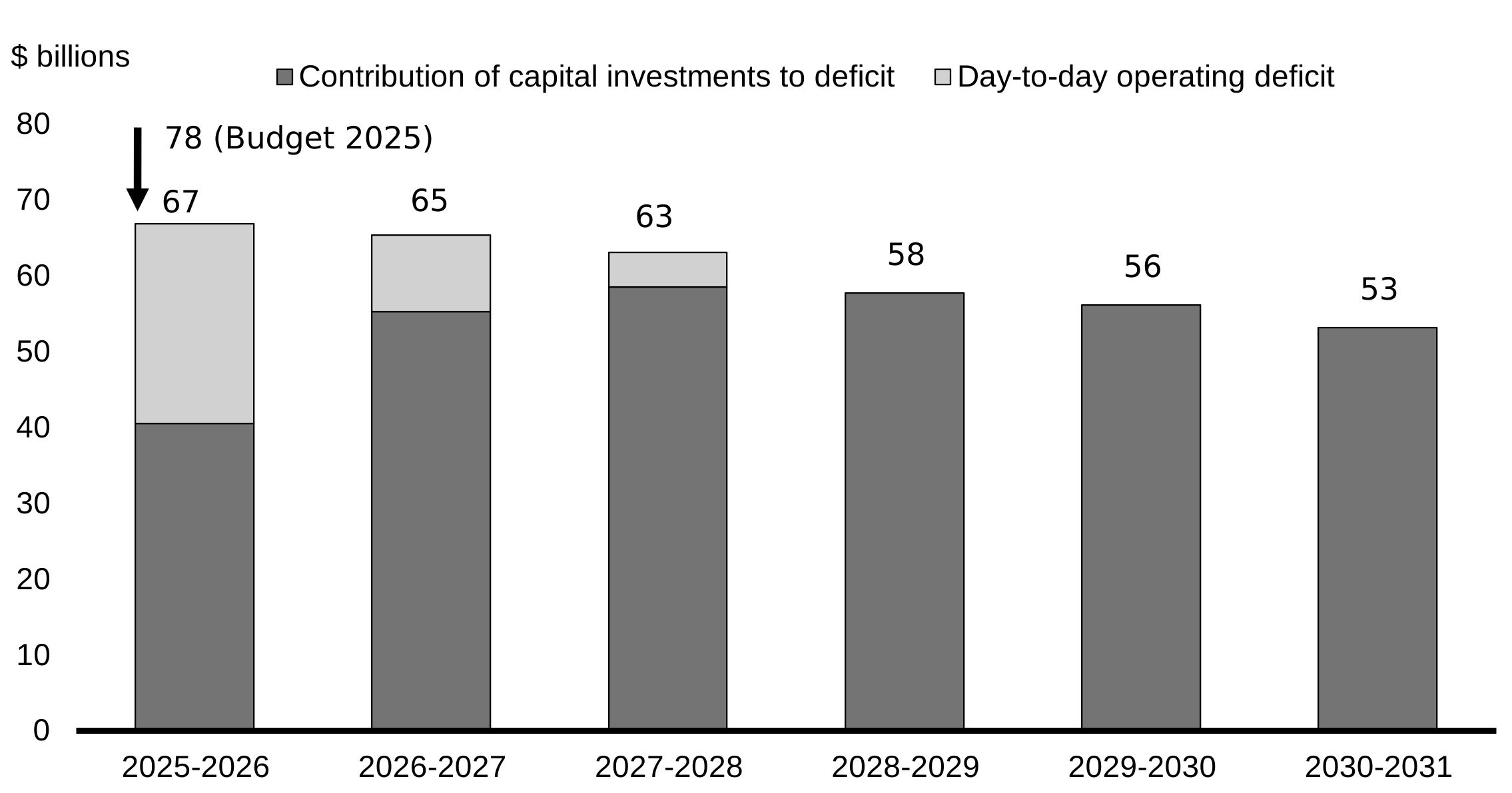
From a fiscal perspective, economic resilience, bolstered by government policies to respond to immediate challenges through temporary supports, is delivering an $11.5 billion improvement in the projected 2025–26 budgetary balance (Chart 2). This strength carries into future years, improving the budgetary balance, relative to Budget 2025, by an average of $10.7 billion per year from 2026-27 to 2029-30 before new measures. The government is deploying this fiscal uplift to improve affordability and raise Canadians' standard of living through targeted and responsible policy measures, particularly in the areas of fuel, food, and housing affordability.
Spring Economic Update 2026 Deficit Projections
At the same time, U.S. trade actions have imposed economic costs and continue to reshape the Canadian economy. While goods exports have begun to recover and trade diversification efforts continue to advance, the impact of sustained U.S. trade measures could be long-lasting. In addition, the conflict in the Middle East and an adverse oil supply shock translating into higher oil prices have mixed effects for Canada's economy: supporting energy incomes and government revenues, while raising costs for households, businesses, and governments, and adding to near-term uncertainty. Overall, private sector forecasters expect real GDP growth of 1.1 per cent in 2026 and 1.9 per cent in 2027, marginally lower compared to projections in Budget 2025.
Against this backdrop, continued momentum in implementing Budget 2025 initiatives to build economic strength and resilience remains essential—not only to shore up strength today, but to address deeper structural challenges and build resilience for tomorrow.
Global Context
The Middle East Conflict Will Slow Global Growth
The conflict in the Middle East is adding to an already fragile global economic environment. While the magnitude of the impact will depend on how long these disruptions persist, the conflict has raised uncertainty and heightened risks to global growth and inflation. These developments are occurring at a time when global trade and investment are already adjusting to a more fragmented and uncertain environment.
The region plays a critical role in global energy supply and maritime trade. Tanker traffic through the Strait of Hormuz—a critical route carrying about 20 per cent of global oil and liquefied natural gas shipments—has been severely disrupted. Along with damage to some energy infrastructure and concerns about further damage or production shut-ins, this has pushed crude oil and natural gas prices higher and increased volatility across energy markets. Beyond crude oil and natural gas, other products most exposed to disrupted shipping include refined fuels, petrochemical feedstocks, and fertilizer inputs.
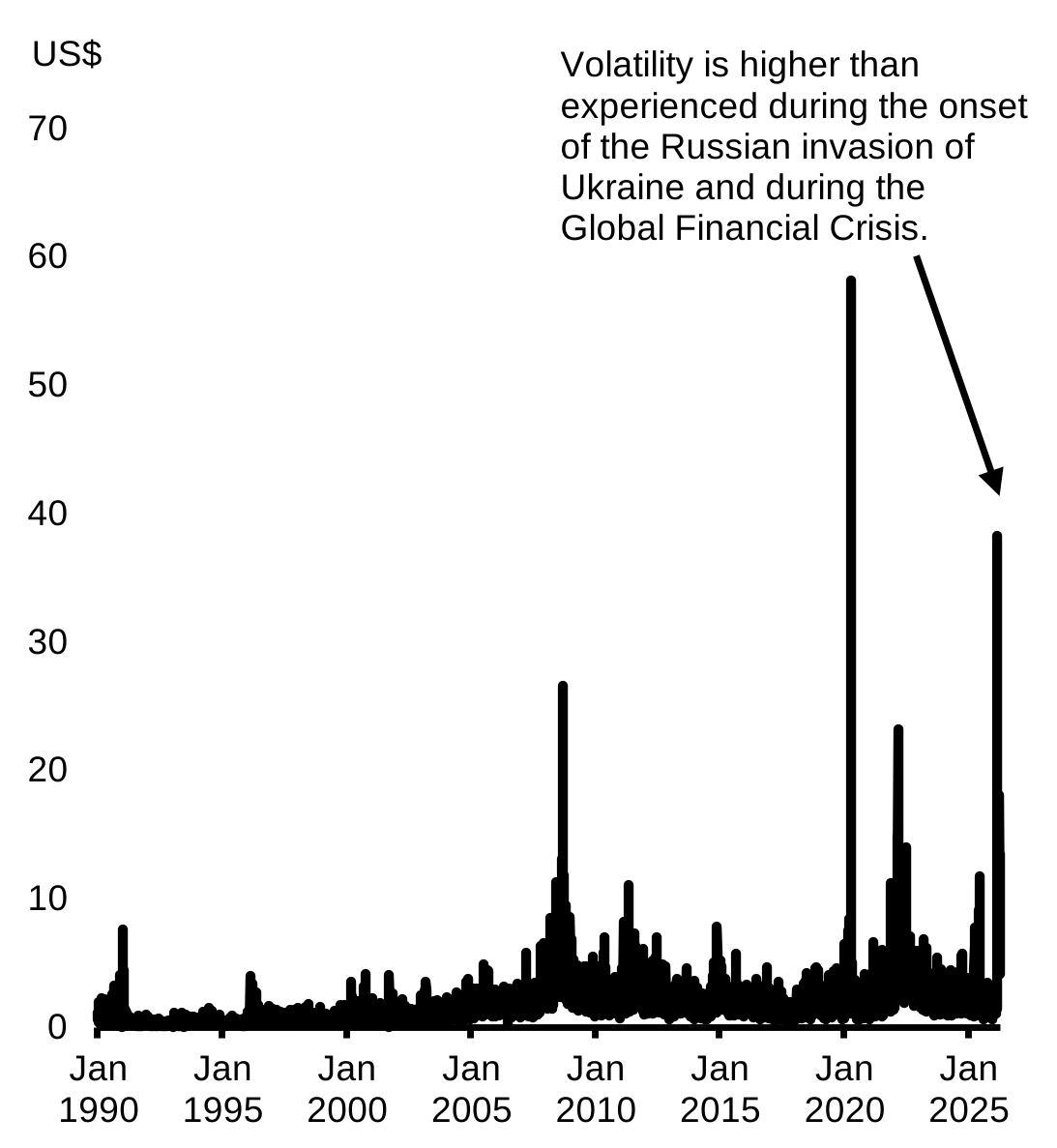
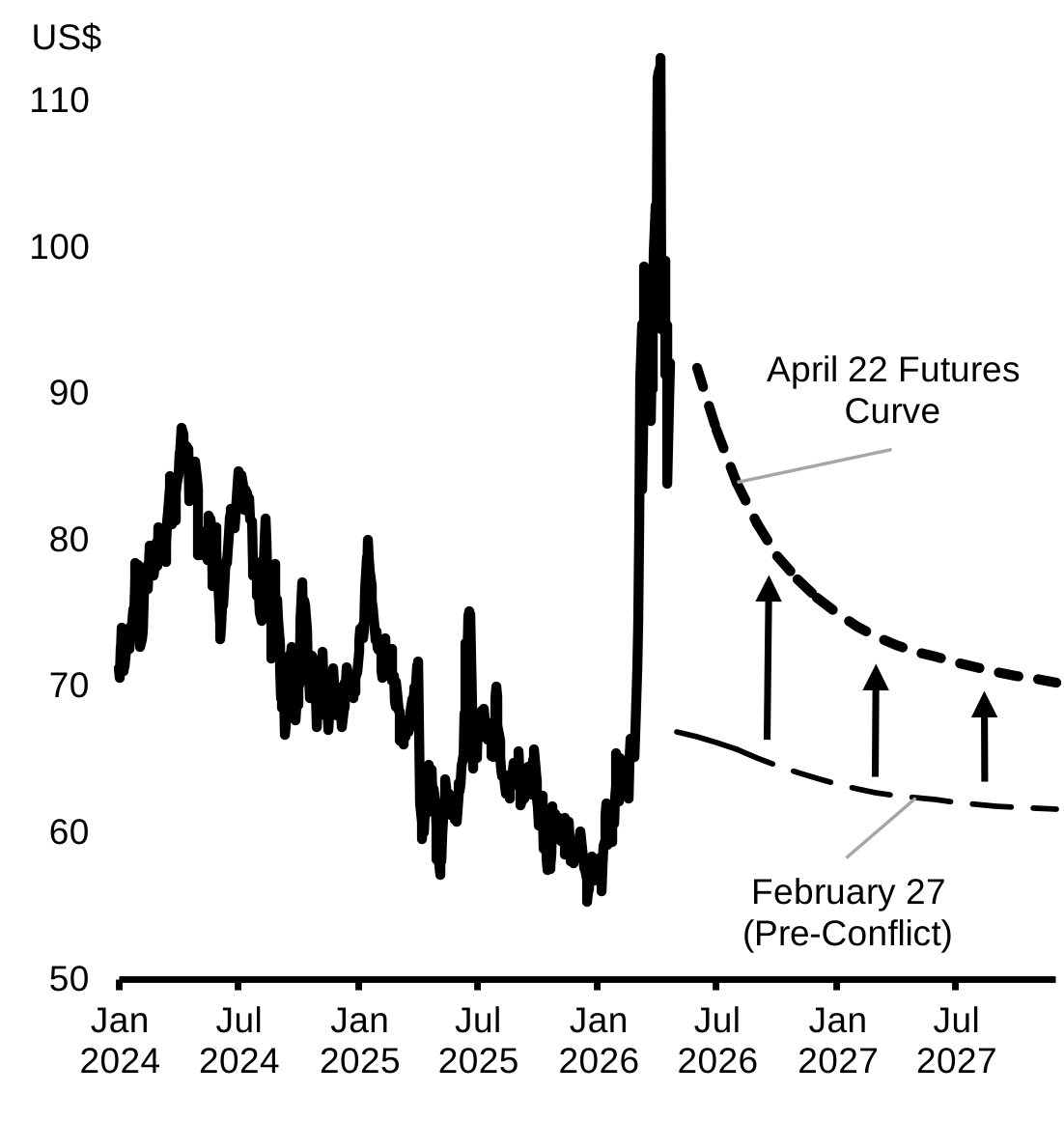
Commodity prices have risen, driven in large part by higher oil prices. West Texas Intermediate (WTI) crude oil prices have become extremely volatile, with large intraday swings as markets have repeatedly repriced oil risk in response to rapidly changing signals on military escalation, ceasefire prospects, and the status of shipping through the Strait of Hormuz (Chart 3). Since the conflict began, WTI has traded in an unusually wide range, swinging between US$80 per barrel and near US$120 within weeks. As of April 22nd, it was trading close to US$90—still up over 30 per cent from roughly US$67 prior to the conflict (Chart 4).
Limited capacity to re-route exports has led some Gulf producers to curtail production, while attacks on regional infrastructure have amplified market uncertainty. Current oil futures curves point to prices easing over the second half of 2026 and reaching about US$75 by year-end (Chart 4) as crude oil exports through the Strait of Hormuz gradually resume. As a result, oil prices are still expected to average about US$80 for the year as a whole, roughly US$15 higher than expected in Budget 2025. While longer‑term price expectations remain more anchored, near‑term oil pricing continues to reflect a substantial geopolitical risk premium that is likely to persist until shipping flows normalise and uncertainty is resolved.
Intraday Volatility in Oil Prices Is Unusually Large
Difference Between Intraday High and Low WTI Oil Prices per Barrel
Futures Pricing Points to Lower Oil Prices Ahead As Shipping Flows Normalise
Historical and Futures WTI Oil Price per Barrel
Spillovers from transportation bottlenecks are also evident in other commodity markets: aluminum and fertilizer prices have increased. Reassuringly, despite some upside pressure from higher fertilizer costs linked to supply disruptions in the Middle East, global food commodity prices have increased only modestly so far. This largely reflects strong global inventories, continued export flows from major producers, and limited near‑term pass‑through from higher fertilizer and fuel costs. However, if energy and input prices remain elevated for a prolonged period or shipping disruptions intensify, cost increases for businesses could be passed along supplychains.
Financial conditions have tightened modestly from previously supportive levels due to the conflict in the Middle East. Bond yields have risen as investors reassess inflation and interest-rate risks, and equity markets have come under some pressure, particularly in countries and sectors more exposed to higher energy prices. These developments build on higher long-term interest rates across advanced economies, reflecting rising term premia amid elevated borrowing needs, higher defence spending, and ongoing monetary policy adjustments.
After weakening for much of 2025, the U.S. dollar strengthened against most currencies globally as the conflict in the Middle East unfolded and investors sought to de-risk portfolios. The Canadian dollar weakened slightly against the U.S. dollar during this period, though it has appreciated against other currencies, benefitting from higher commodity prices. The U.S. dollar has since pared most of those gains, as the conflict de-escalated.
Global Growth Resilient Amid Geopolitical and Trade Pressures
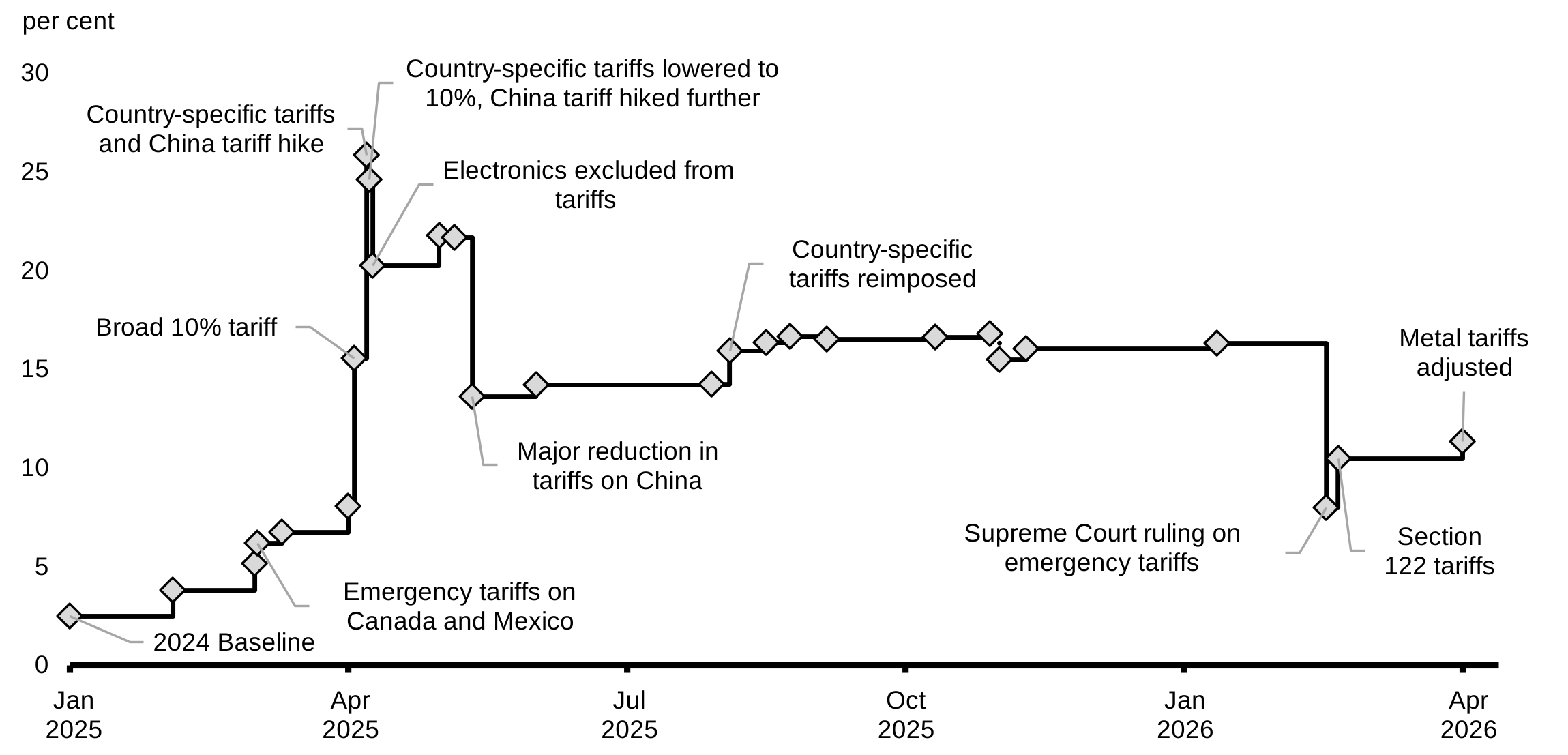
The conflict in the Middle East is a new source of uncertainty, compounding existing risks from U.S. tariffs and trade tensions. The global trading system has undergone lasting change, with U.S. tariffs expected to remain elevated (Chart 5). Tariffs and ongoing trade policy uncertainty continue to weigh on global economic activity and put upward pressure on prices. Evidence indicates that U.S. businesses and consumers are absorbing most of the tariff costs, although the pass-through to inflation appears to have peaked.
Rapid and Continuous Shifts in U.S. Tariff Policy Have Increased Business Uncertainty
Average U.S. Tariff Rate on Imports from the World
Despite these pressures, global GDP growth has remained relatively firm, supported by strong artificial intelligence (AI)-related investment, continued fiscal support, and resilient labour markets. Most major central banks eased monetary policy in 2025, though the pace of cuts slowed as economic activity remained firmer than expected and inflation moderated only gradually.
IMF analysis in its latest World Economic Outlook (April 2026) suggests that the global energy shock associated with the Middle East conflict is already pushing inflation higher across major economies and will weigh on global growth. Under a relatively short-lived conflict, global GDP growth is expected to ease to 3.1 per cent in 2026, whereas it would have been projected at 3.4 per cent absent the conflict. Growth is projected to edge up to 3.2 per cent in 2027, as the dampening effects of higher energy costs offset tailwinds from technology investment, lower U.S. tariff rates, and continued fiscal support.
Risks remain significant and skewed to the downside. U.S. growth has become increasingly concentrated in a narrow set of technology-driven sectors. If expected productivity gains from recent investment fail to materialise, a repricing of related equities could amplify downside risks through tighter financial conditions and weaker confidence. More broadly, persistent disruptions in the Middle East could further elevate energy and commodity prices, add to inflation, weigh on growth, and increase financial market volatility. The IMF estimates that global GDP growth in 2026 could be reduced to 2.5 per cent if higher oil prices were to persist into 2027, or even to 2 per cent—approaching a global recession—under a severe scenario where price pressures spill over beyond energy markets and broaden overall cost pressures.
Canada's Economy Amid Higher Oil Prices
As a net energy exporter with limited exposure to trade through the Strait of Hormuz, the Canadian economy is more insulated from the impacts of the conflict than other countries. Higher crude oil prices improve Canada's terms of trade—the ratio of export prices to import prices—raising energy-sector profits and potentially supporting investment and employment, while also increasing government revenues (see the Economic Scenario Analysis section and the box entitled "Economic and Fiscal Impact Sensitivity to Higher Oil Prices" in Annex 1). While higher oil prices have historically been associated with increased investment in the energy sector, temporary supply-driven price increases are less likely to generate a sustained investment response, particularly when uncertainty is elevated.
At the same time, the net impact on real GDP is expected to be uneven across sectors and regions. Higher energy prices create hardship for many households, reducing purchasing power, and raising costs for businesses. Retail gasoline and diesel prices, for example, had risen by about 35 per cent and 43 per cent, respectively, at their peaks in early April. To help Canadians and businesses manage these pressures, the government introduced a temporary suspension of the federal fuel excise tax on gasoline, diesel, and aviation fuels. Following this implementation on April 20th, retail gasoline prices declined by roughly 12 cents per litre and diesel prices by about 16 cents per litre, even as global oil prices continue to fluctuate. By contrast, gasoline prices in the U.S. were unchanged over the same period. These declines indicate that the savings have been passed through to consumers.
Combined with tighter global financial conditions and fragile confidence, fuel price pressures could weigh on domestic demand if the conflict persists. While the impact from higher oil prices on economic activity in Canada is expected to be modest, elevated uncertainty stemming from the conflict, alongside an economy already operating below its productivity capacity, points to risks that are tilted to the downside.
Consumer Price Index (CPI) inflation picked up in March, reflecting higher gasoline prices. If the oil price increase proves temporary, as expected by markets, inflation could return to the 2 per cent target by the end of this year. If oil prices increase further and persist at high levels, higher energy costs could spill into other goods, prolonging affordability challenges for everyday essentials like food, where inflation continues to be elevated. With the economy operating below its capacity and core inflation easing, spillovers to other prices could be more contained. Nonetheless, continued price pressures across everyday essentials underscore the importance of the government's multi-pronged approach to help Canadians manage cost pressures, including through targeted relief to low- and modest-income households.
To help support prudent planning amid uncertainty, the Spring Economic Update 2026 illustrates the economic implications of two scenarios relative to the March 2026 private sector survey results. A more optimistic scenario assumes a stronger investment outlook, as higher oil prices drive up national income and ongoing geopolitical instability reinforces global demand for Canadian energy, reflecting Canada's role as a stable and reliable supplier to global markets. A more pessimistic scenario assumes that damage to critical energy infrastructure and broader supply disruptions lead to higher global inflation, tighter global financial conditions and lower global demand, leading to more cost pressures and a weaker growth outlook in Canada. Further details of these scenarios can be found in the Economic Scenario Analysis section of this Overview.
What This Means for You
The global economy is becoming more uncertain, but Canada is starting from a position of strength. Events like new tariffs, trade tensions and conflicts abroad continue to affect costs for households and businesses, as well as economic activity at home. But Canada is well positioned to manage these pressures, thanks to our robust economy and a clear growth strategy—focused on driving investment, boosting productivity, strengthening domestic industries, and expanding access to global markets. The government is focused on helping Canadians navigate this uncertainty and the effects on affordability while building a stronger, more resilient economy for the future.
Canadian Economic Context
Canada's Economy Outperforming in the Face of Tariffs
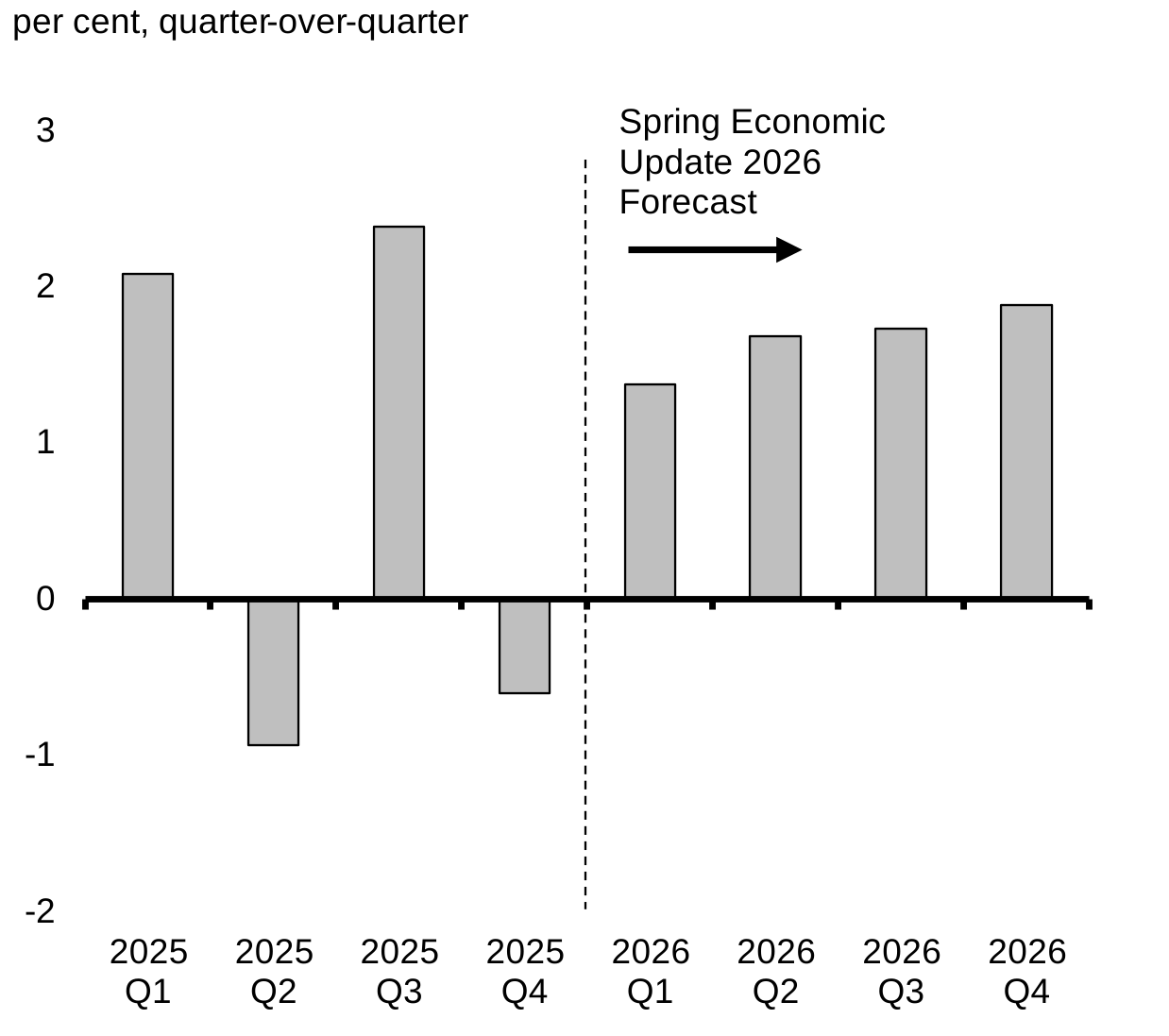
The Canadian economy has shown resilience in the face of significant trade tensions and geopolitical uncertainty. Domestic demand remained resilient and the economy avoided the recession many had predicted in early 2025. Spillovers were limited as consumer spending held up, job losses were contained, while global activity and new transportation infrastructure supported Canada's natural resource sectors. At the same time, Canada continues to enjoy the lowest average tariff rate among all major U.S. partners, at 5.2 per cent. While activity softened over the course of 2025, a recession was avoided and growth is expected to pick up in 2026 (Chart 6). Notably, Canada's growth in 2025 was still the second highest of the G7.
U.S. tariffs contributed to declines in Canadian goods exports, a pullback in business investment, and job losses in tariff-exposed sectors. These pressures contributed to volatility in quarterly real GDP. Growth swung from a 2.4 per cent (annualised) gain in the third quarter to a 0.6 per cent contraction in the fourth. The fourth-quarter decline masks firmer domestic momentum, supported by solid consumer spending and renewed business investment.
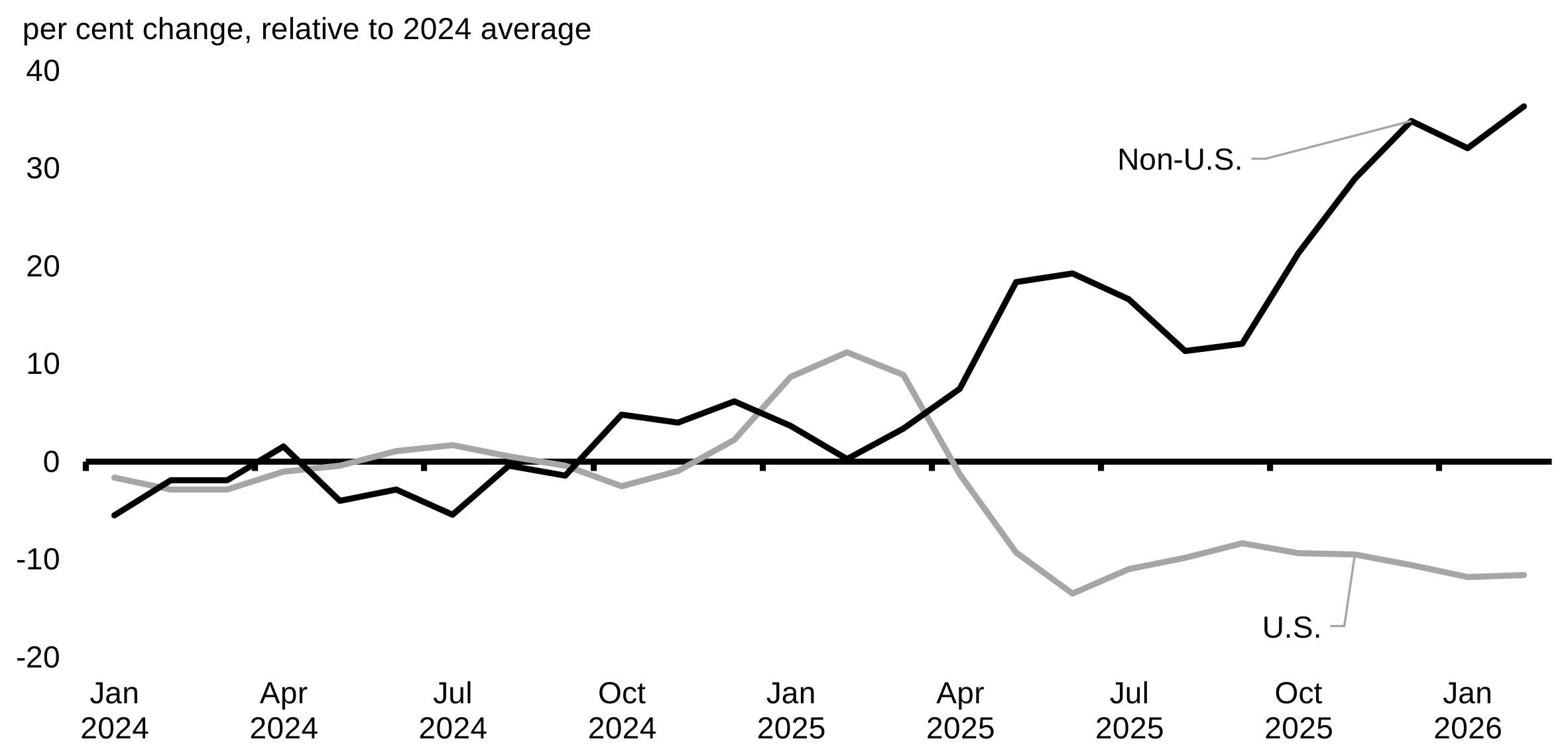
Goods exports remain below pre-tariff levels but are gradually recovering as firms adjust and energy export capacity expands (see Canadian Exports Are Recovering section and boxes). Household spending held up in 2025, with consumption rising 2.3 per cent—up slightly from the pace of the last two years. Trade diversification efforts are bearing fruit, with non-U.S. goods exports up by roughly 36 per cent since 2024.
Overall, real GDP grew 1.7 per cent in 2025, just below the pace of the previous two years, and the unemployment rate fell to 6.7 per cent in March, below private sector expectations in Budget 2025 (Chart 7). On a per capita basis, real GDP grew by 0.6 per cent in 2025 after declining in both 2023 and 2024. Trade policy uncertainty continues to weigh on exports and business investment. Past interest rate cuts and ongoing infrastructure investment are supporting domestic demand, with private sector economists expecting growth to improve and reach about 2 per cent by year-end.
Real GDP Growth Expected to Improve in 2026
Unemployment Rate Lower Than Previously Expected
Canadian Exports Are Recovering
The shift in the global trade landscape and higher tariffs have left Canadian real exports about 2 per cent below their 2024 level. However, the impact has been less severe than initially expected, supported in part by firms' use of CUSMA exemptions and early diversification efforts (see box).
As firms adapt, exports have begun to stabilise. Real goods exports rose about 6.5 per cent (annualised) in the second half of 2025, driven mainly by gains in non-tariff-exposed sectors such as energy and consumer goods. Early signs of export diversification to non-U.S. destinations are also rising and Canada is making progress towards doubling its total non-U.S. exports (Chart 8).
Trade adjustment remains uneven. Exports in tariff-exposed sectors declined in the fourth quarter after briefly stabilising, reflecting continued pressures. Shipments have been more resilient where higher pricing, domestic sales, or sales to non-U.S. markets have helped offset tariff impacts. The government has introduced a suite of targeted measures, which are helping to mitigate costs for many affected firms.
Infrastructure investments are also strengthening export capacity (see box).
Canadian Goods Exports to Non-U.S. Markets Are Increasing
Change in Nominal Goods Exports
Canadian Businesses Are Adapting to a Changing Trade Environment
Canadian goods exporters experienced a significant drop in demand following the imposition of U.S. tariffs, and adjustments will take time. Early evidence, however, indicates that firms are actively repositioning.
- Sales to non-U.S. markets are rising (Chart 8). In Export Development Canada's March 2026 survey, 65 per cent of exporters reported plans to enter new markets in the next two years.
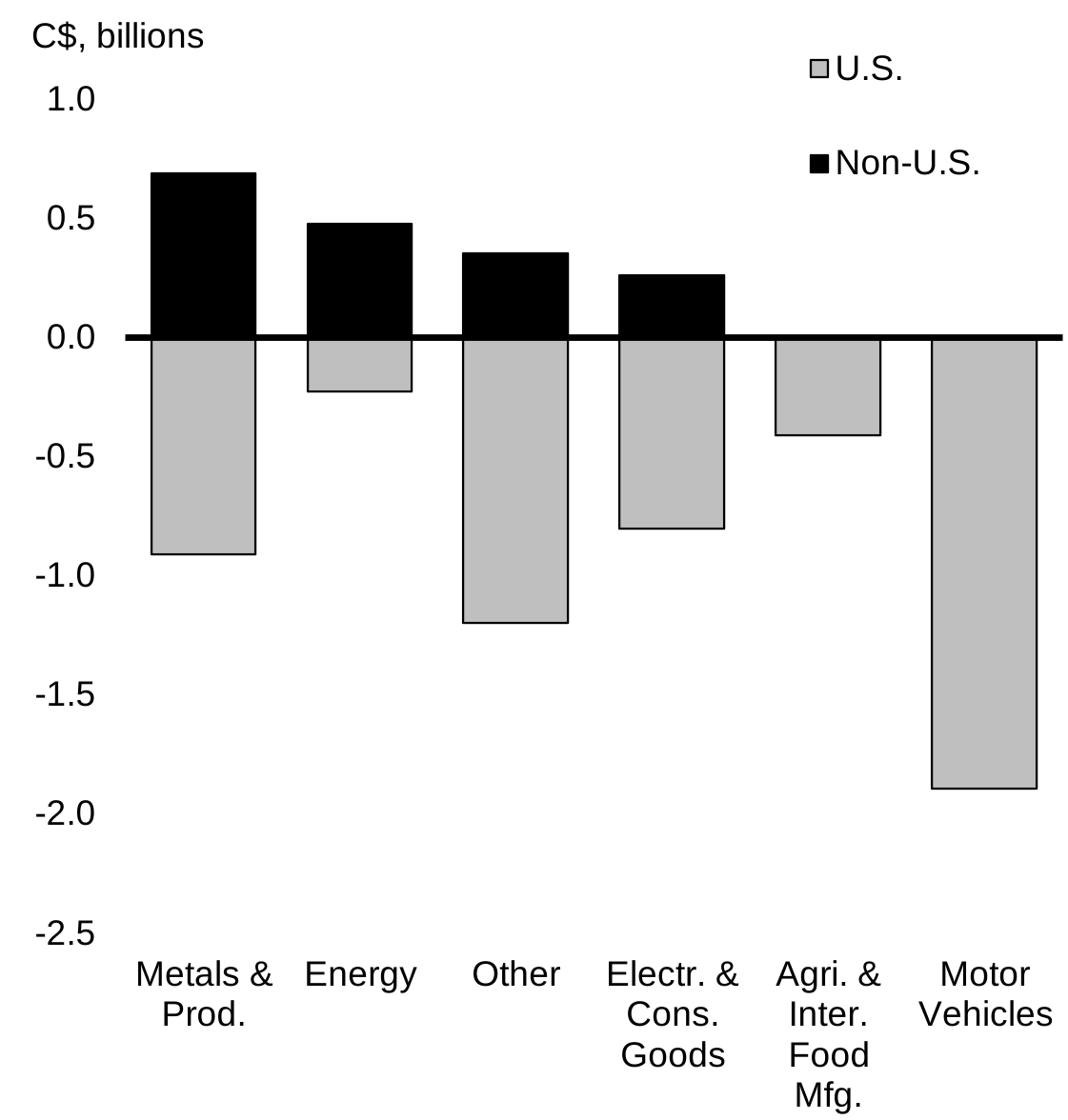
- Supply chains are being reconfigured. Many firms are sourcing inputs from non-U.S. markets to avoid the effect of tariffs, leading to higher imports from non-U.S. suppliers (Chart 9).
- Technology adoption is accelerating. Statistics Canada's Canadian Survey on Business Conditions shows a growing share of manufacturers adopting AI and other advanced technologies to improve efficiency.
Firms are also adjusting pricing, sourcing, and production to mitigate tariff-related cost pressures. Early signs of adaptation are visible in tariff-exposed sectors: steel producers have increased domestic sales, while aluminum producers have benefited from stronger pricing and initial success diversifying beyond the United States.
More broadly, signs of diversification are emerging. While part of the recent strength in exports reflects strong gold exports, where surging global demand has lifted both prices and volumes, gains are also visible across several sectors, including aircraft and consumer goods and electronics (Chart 10).
Some of the expansion into new markets reflects areas where Canada is already globally competitive—such as some manufactured food and beverages, and non-automobile transportation equipment. Diversification remains more limited in the most tariff-exposed industries, including steel, softwood lumber, and motor vehicles and parts, which are deeply embedded in integrated North American production networks. In these sectors, Buy Canadian policies continue to be vital in sustaining good jobs.
Budget 2025 signaled the government's intention to double combined goods and services exports to non-U.S. markets over the next decade. Progress towards this objective is underway, with overseas exports increasing along the implied path required to reach the 2035 target: non-U.S. goods and services exports increased by $33 billion in 2025 compared to 2024, on the way to meet the target of generating $300 billion more in overseas trade in a decade. The new Trade Diversification Strategy—backed by signing 20 new deals on four continents—is reinforcing this momentum by providing targeted, practical support for exporters, as well as generational investments in infrastructure that improve the reliability and competitiveness of moving goods to global markets. These efforts build on an existing suite of programming designed to help exporters diversify, led by Export Development Canada, which provides financing, insurance, and advisory services—particularly for small and medium-sized exporters.
Goods Imports From Non-U.S. Markets Are Up
Imports in 2025 Relative to 2024
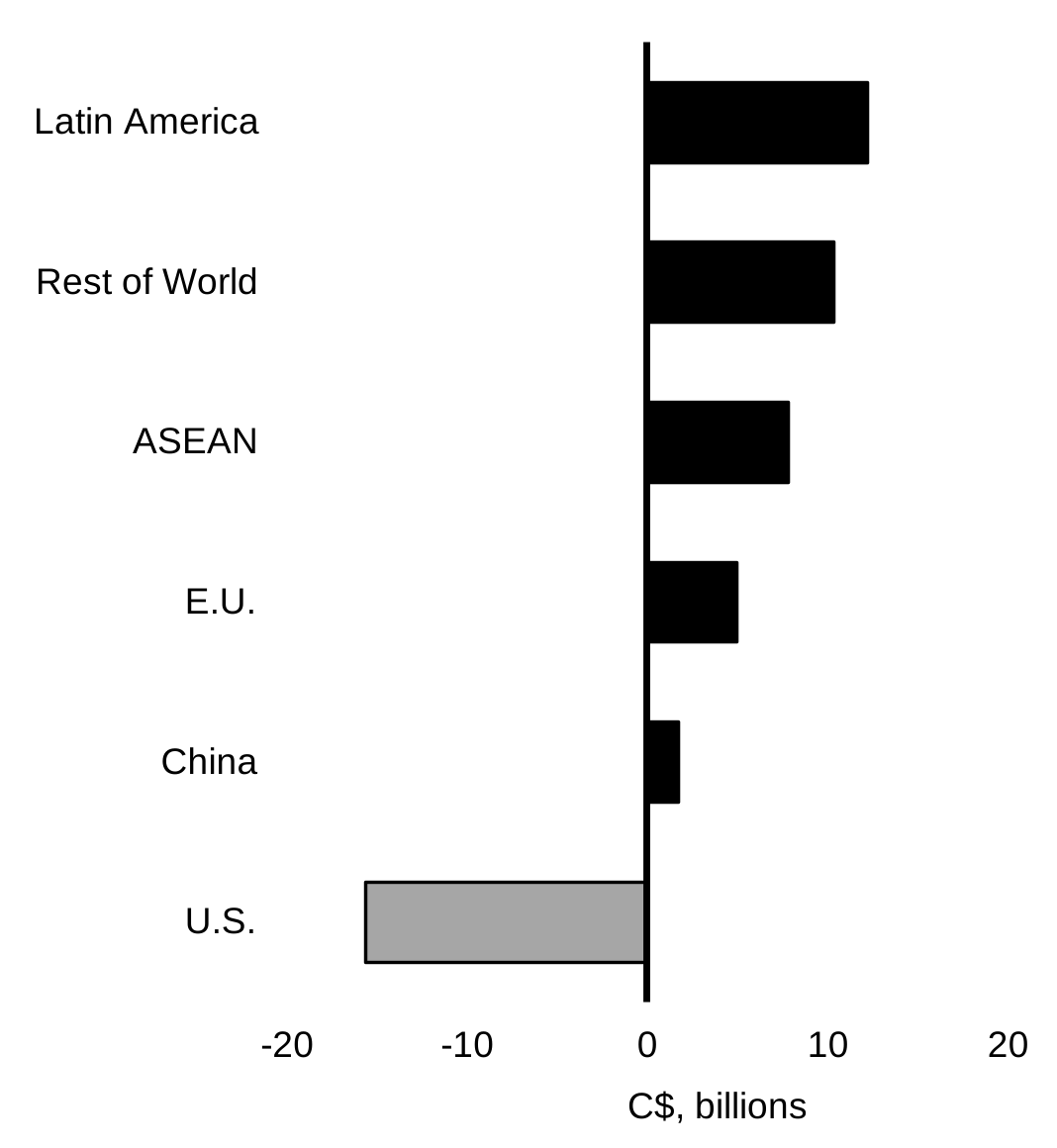
Goods Exports to Non-U.S. Markets Are Up
Exports (Excluding Gold) Relative to 2024
New Transportation Capacity Paves Way to New Markets
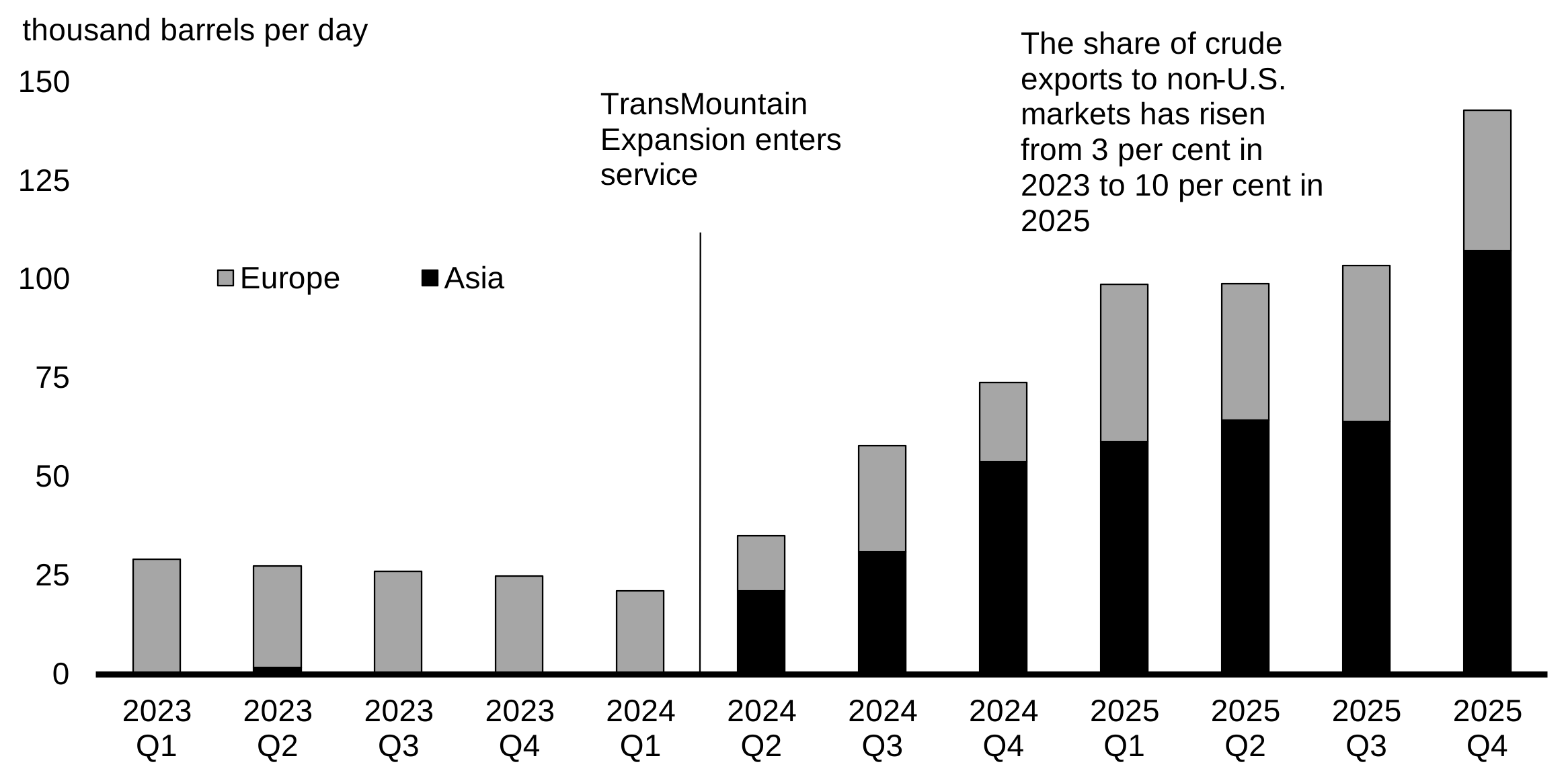
Expanded oil transportation infrastructure—particularly the Trans Mountain Expansion Project—has significantly improved Canada's access to global markets. Fully operational since 2024, the project has materially increased export capacity to tidewater in western Canada.
By connecting landlocked production to seaborne markets, the expansion has helped ease bottlenecks, diversify export destinations, reduce price discounts on Canadian crude, and strengthen Canada's position in global energy trade. As a result, crude exports to non-U.S. markets—especially in Asia—have accelerated in recent years (Chart 11).
Prior to the expansion, less than 3 per cent of Canada's crude exports went to markets outside the United States; that share has now risen to roughly 10 per cent. Looking ahead, additional projects could expand total takeaway capacity by up to 12 per cent.
Exports of Crude Oil to Non-U.S. Destinations Are Up
Liquefied natural gas (LNG) projects aim to capitalise on Western Canada's abundant, low-cost natural gas resources by exporting LNG to global markets where demand is high and prices are more attractive. Canada's first large-scale export terminal, LNG Canada Phase 1, began exporting in June 2025 in Kitimat, B.C. Since that time, data published by the Canada Energy Regulator show that LNG exports have grown rapidly, rising from negligible levels in 2024 to 7.5 per cent of total natural gas exports. This growth has supported economic activity and helped offset weaker export performance in other areas.
In addition, eleven other LNG projects are at various stages of development across the country, including seven projects in British Columbia. Of these, two are under construction, three have secured regulatory approvals and are advancing toward project milestones, and two are in the regulatory review process. Combined with LNG Canada Phase 1, British Columbia LNG projects represent potential capital investments of over $150 billion and a potential production capacity of approximately 50 million tonnes per annum of LNG by the early 2030s. Projects in other regions account for more than $50 billion in potential investments.
Business Confidence Has Recovered and Investment Is Rising
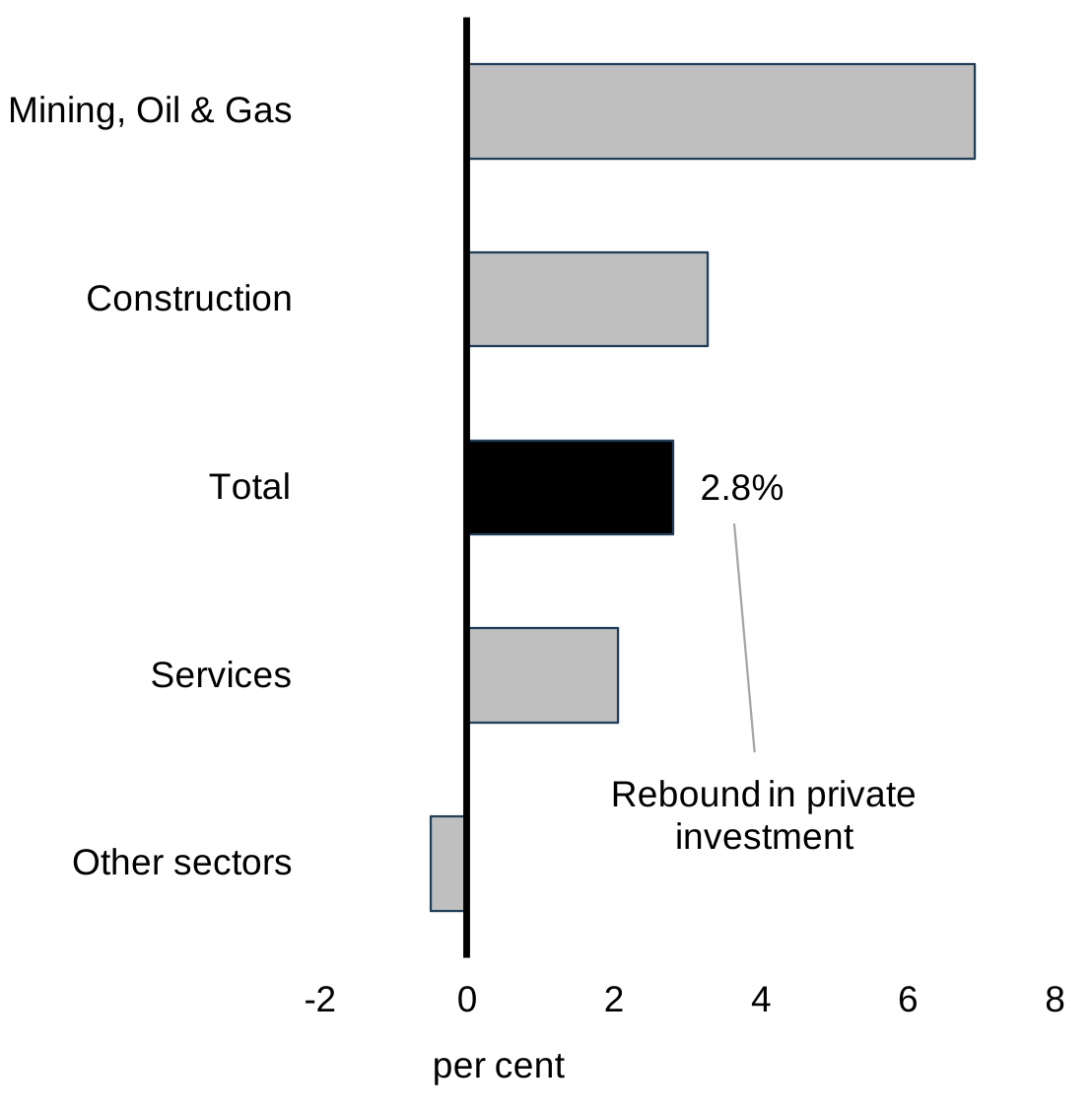
Real business investment remained subdued in 2025 amid weak export demand and elevated uncertainty. This is weighing on productive capacity and potential growth. Recent data, however, suggest conditions may be stabilising. Investment rose 2.6 per cent in the fourth quarter after three consecutive declines. The gain was driven by a rebound in machinery and equipment, particularly computers and software. Confidence has improved to around 2024 levels, and firms plan to increase non-residential investment by 2.8 per cent in 2026 (nominal), following a 0.5 per cent decline in 2025 (Chart 12). These developments indicate an uptick in investment and that the economy entered 2026 with firmer momentum.
Improved sentiment is supported by Canada's relative U.S. tariff advantage, targeted federal incentives, and rising public investment in trade- and transportation-enabling infrastructure. Together, these factors are helping set the stage for increased private investment and stronger supply-chain resilience.
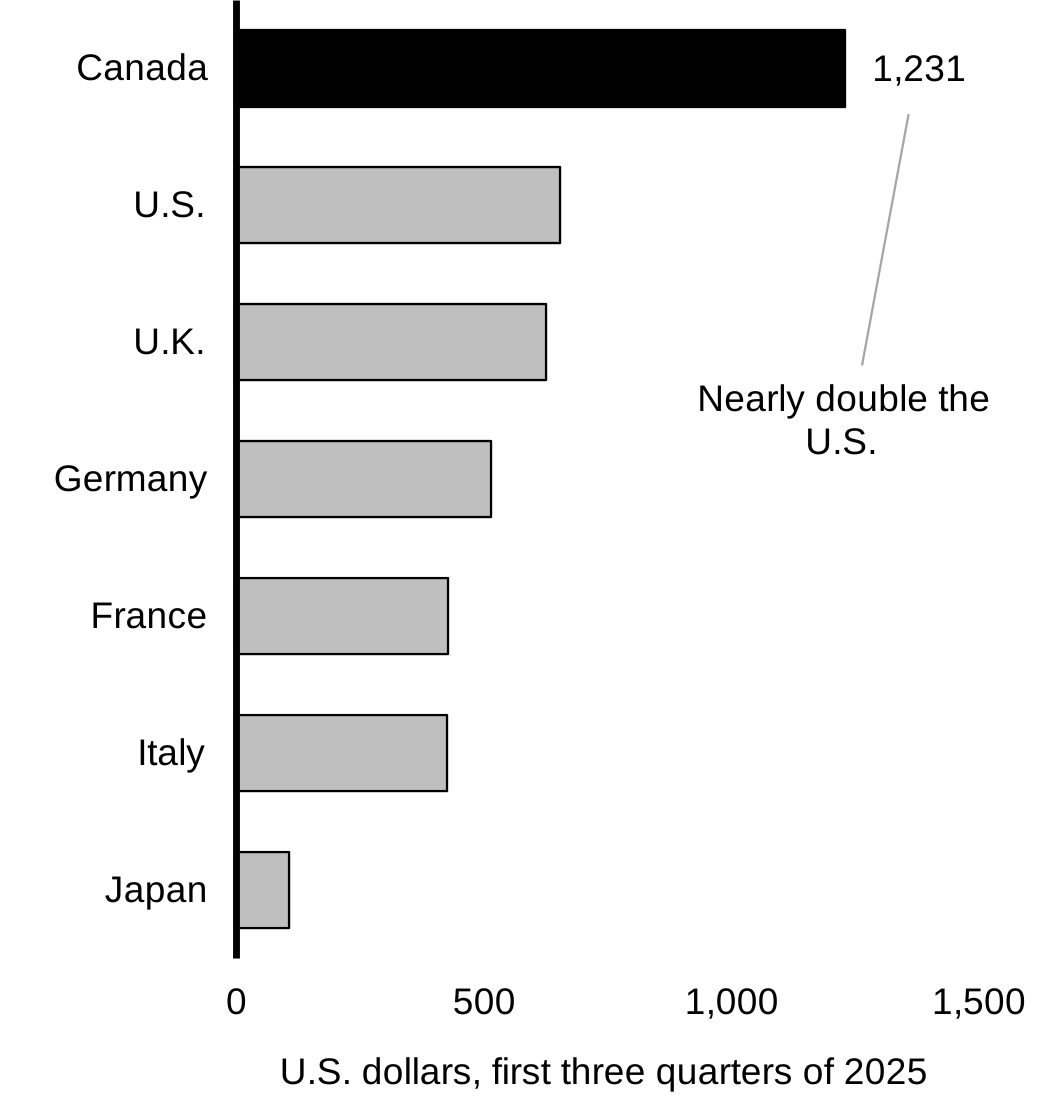
Confidence in Canada as an investment destination continues to be strong. The 2025 Kearney FDI (foreign direct investment) Confidence Index ranked Canada second among 25 global markets, and Canada led the G7 in per capita direct investment inflows in 2025 (Chart 13).
Capital Expenditure Intentions Point to Investment Growth in 2026
Canada's per Capita Inward Direct Investment Is Leading the G7
The Labour Market Has Proven Resilient
Canada's labour market softened following rising trade tensions and the introduction of higher tariffs last year, with hiring remaining subdued through much of 2025. Even so, the labour market withstood the shock better than expected. Employment growth resumed in the second half of the year, signalling that conditions are stabilising.
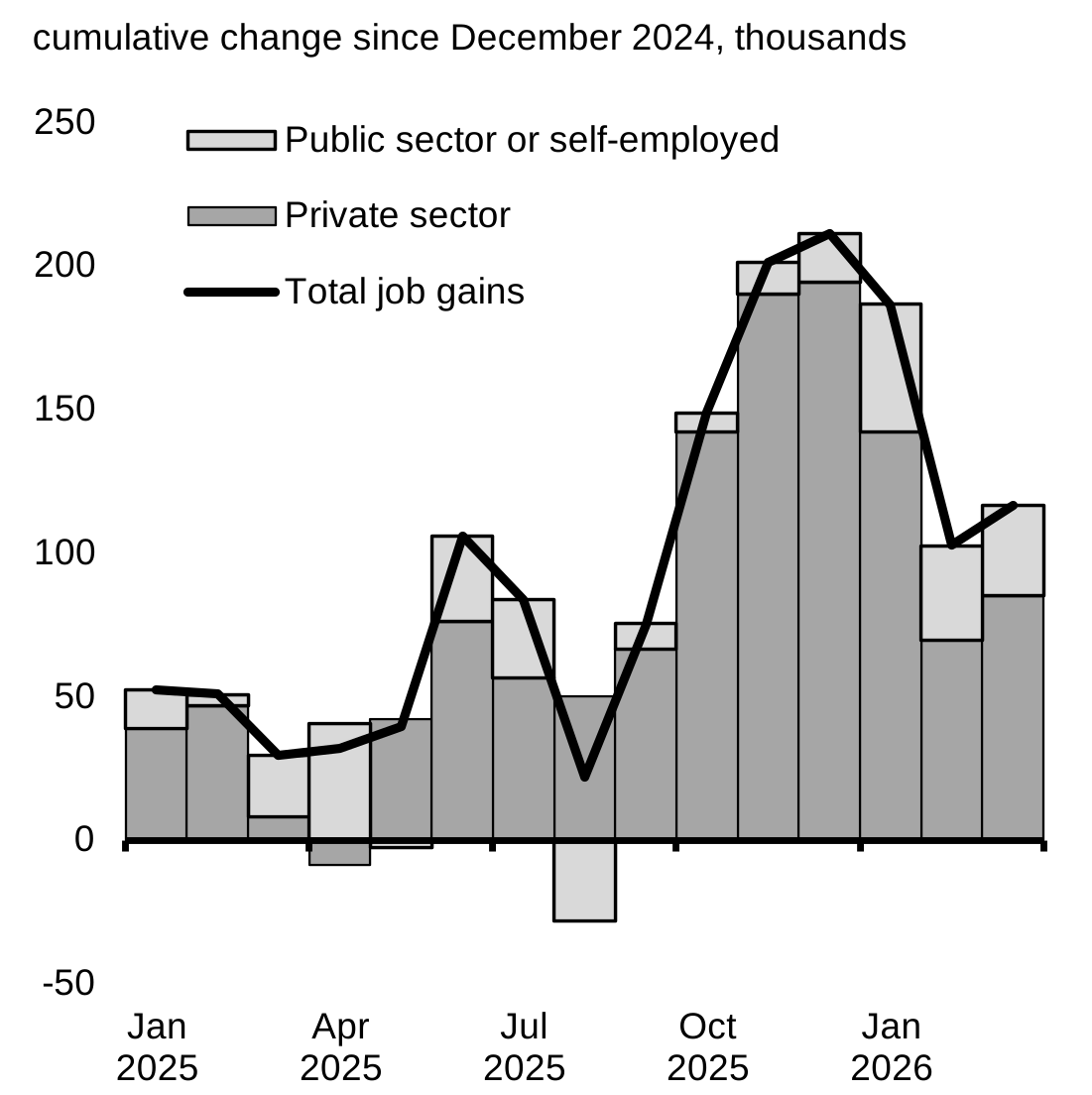
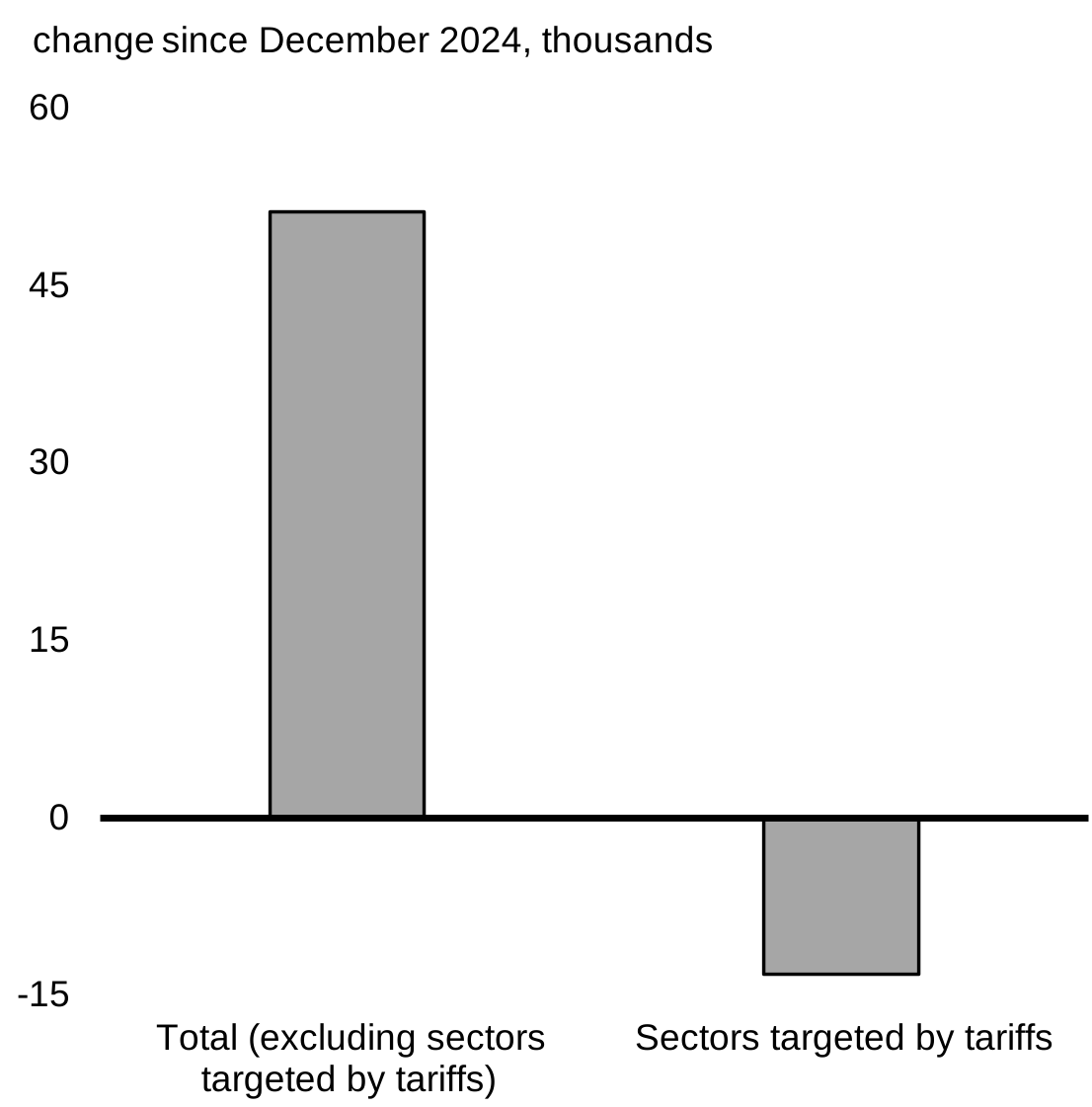
Despite some recent moderation, Canada is well ahead of the U.S. in job creation per capita and the core‑aged employment rate remains nearly three percentage points higher than in the U.S. Since the start of 2025, more jobs have been added in Canada on a per-capita basis (3.4 per 1,000 versus 1.2 per 1,000 in the U.S.). Most of those jobs were in the private sector (Chart 14). Challenges in tariff-exposed sectors have led to employment losses (Chart 15), and business surveys still point to subdued hiring intentions. Demand remains particularly soft for entry-level jobs, a headwind for both youth and newcomers.
Employment Gains Led by the Private Sector
Job Gains Outside Tariff-Exposed Sectors
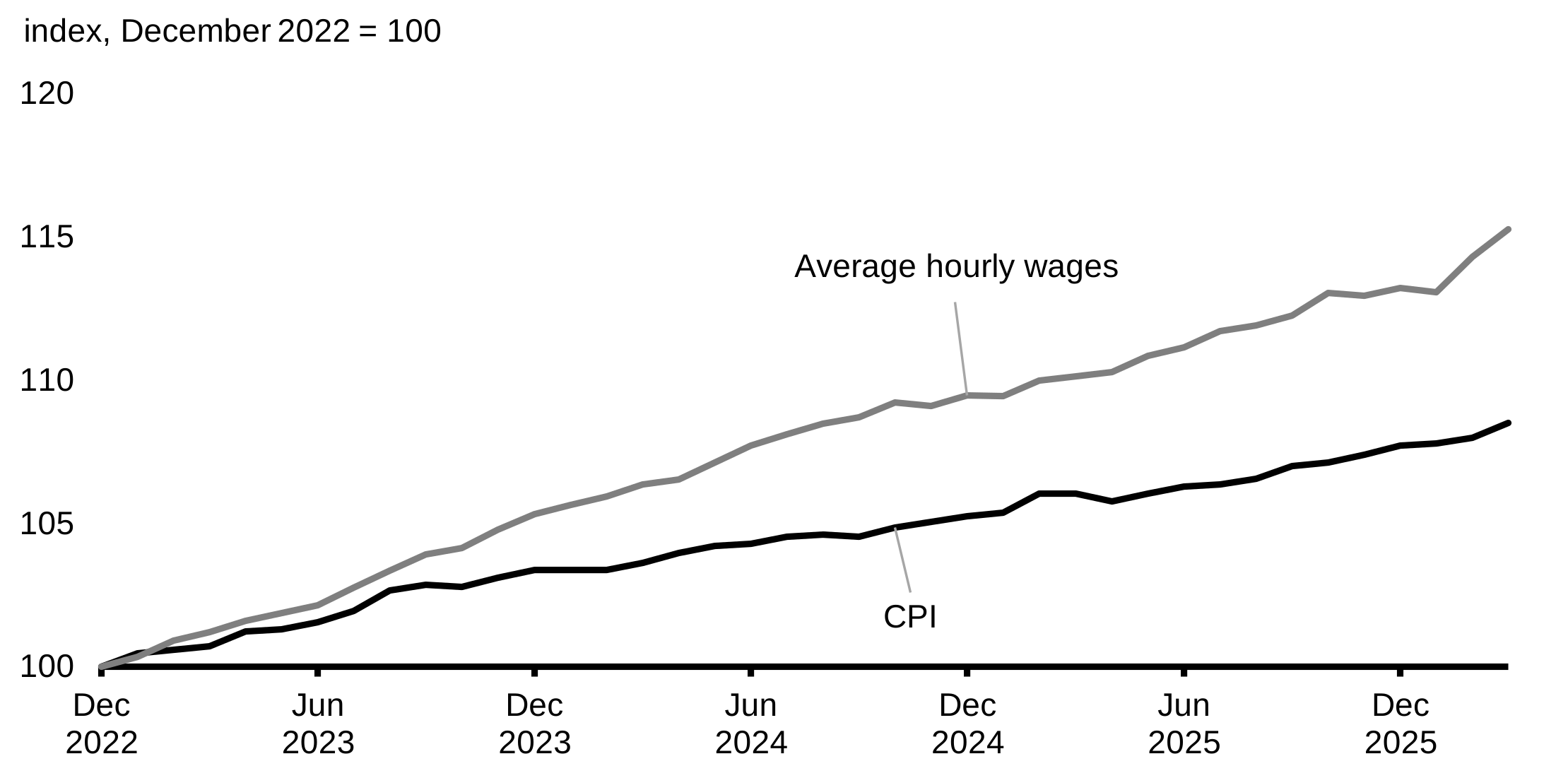
Even so, the unemployment rate has fallen to 6.7 per cent, down from a peak of 7.1 per cent last summer and below private sector expectations in Budget 2025. Wage growth has now outpaced inflation for over three years, resulting in an annual increase of 1.6 per cent in real wages on average since 2023 (Chart 16), nearly double the pace recorded in the decade prior to the pandemic. Cumulatively, real wage growth since 2019 has been almost twice as strong in Canada as in the United States. Sustained productivity growth will be important to support stronger and more durable gains in real incomes over time.
Wage Growth Has Outpaced Inflation for Over Three Years
Slower Population Growth Is Easing Labour Market Pressures
Following a period of strong gains averaging over 45,000 jobs per month late in 2025, employment has levelled off over the past three months. This comes alongside a deceleration in population growth, which has reduced the number of new jobs needed to keep unemployment stable.
This marks a clear shift from 2022–2024, when rapid population inflows pushed labour supply growth beyond what the economy could readily absorb. Under the 2026–2028 Immigration Levels Plan, population growth is expected to remain at more sustainable levels, supporting a more balanced labour market—responding to local needs and the ability for communities to absorb new immigrants.
Job growth should resume in 2026, but gains will likely be modest, with demand for workers expected to improve gradually. Combined with slower growth in the working-age population, this is expected to support a gradual easing in the unemployment rate in the second half of the year.
Labour Market Holds Firm Despite Moderate Challenges
- Youth unemployment remains elevated and has only slightly declined from its recent peak of 14.6 per cent in September 2025 to 13.8 per cent in March. Policy measures by the government have supported improved outcomes for young people entering the labour market.
- Job losses remain contained. Initial Employment Insurance claims are within historical norms, and many displaced workers are finding new employment.
- Labour force participation declined over the last year but remains an area of strength. Canada continues to lead the G7 with a 64.9 per cent participation rate, well above the U.S. rate of 61.9 per cent, and it is expected to rise further as conditions improve.
- Women's labour force participation is historically strong. The participation of women aged 25 to 54 reached 85 per cent in 2025—nearly seven points higher than in the U.S.—with youth and newcomer participation also comparatively strong.
Housing Affordability Is Improving
Housing markets are undergoing a gradual rebalancing. Affordability pressures, softer sentiment, additional supply coming to the market, and slower population growth are driving a broad-based adjustment.
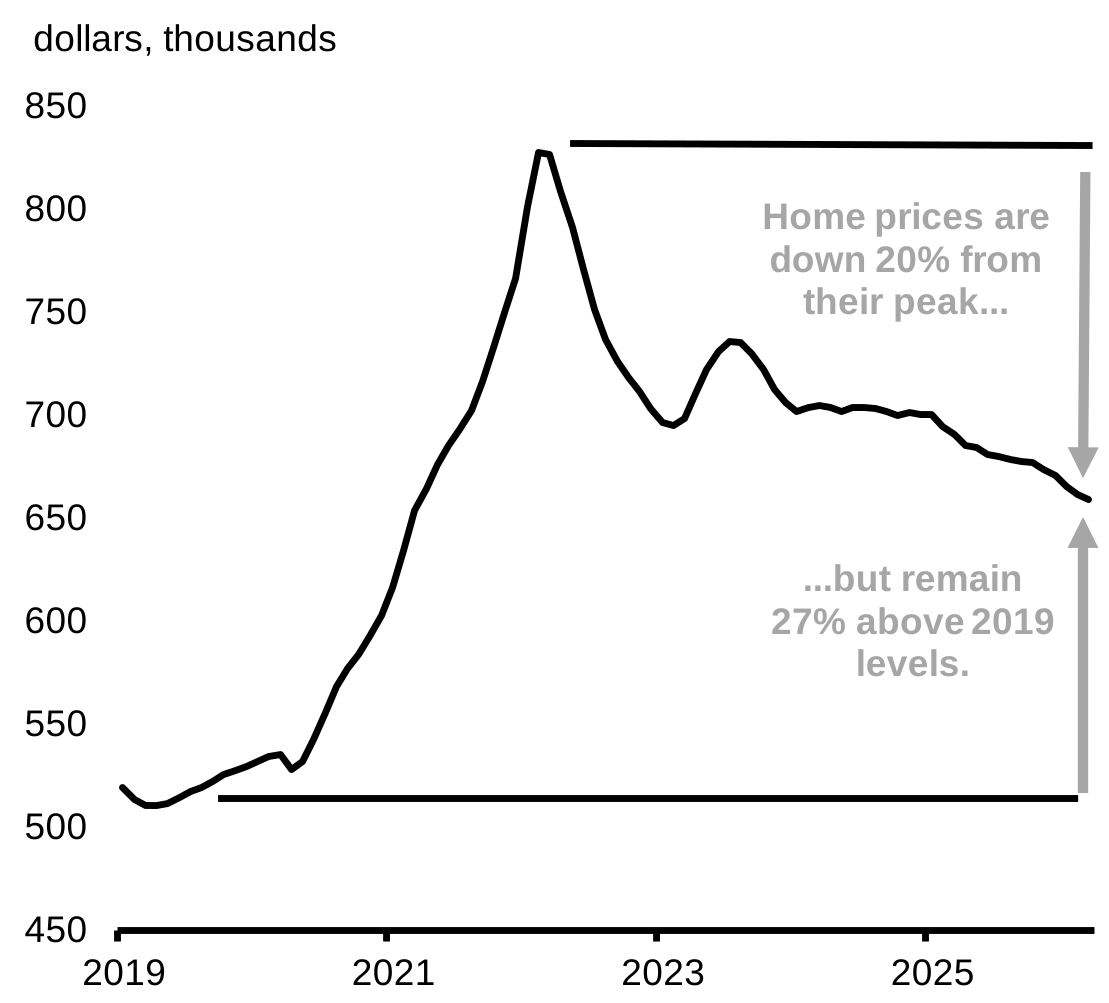
Together, these developments are putting downward pressure on home prices—now about 20 per cent below recent peaks—and on rents, which are down roughly 9 per cent nationally. These adjustments are contributing to improvements in housing affordability across many markets, and have helped lift the national rental vacancy rate to 3.1 per cent in 2025 from a historical low of 1.5 per cent in 2023.
At the same time, this rebalancing has been accompanied by weaker homebuilding activity in some markets, as developers respond to higher costs and softer near-term demand. If sustained, this could pose risks to future housing supply. Against this backdrop, the government remains focused on unlocking new housing supply and securing durable affordability gains.
Recent initiatives—including the launch of Build Canada Homes, the introduction of the Improving Housing Supply Act, and measures in the Spring Economic Update 2026—underscore the government's continued efforts to unlock new housing supply, improve market responsiveness, and ensure that recent affordability improvements are sustained over time.
Housing Activity Has Moderated in Several Markets
While home sales remain subdued nationally, this adjustment is helping to relieve affordability pressures, particularly for prospective buyers who had been priced out in recent years. Moderation has been most evident in markets where post-pandemic price increases were most pronounced and affordability challenges most acute, notably Toronto and Vancouver.
- The sales-to-new-listings ratio remains below its historical average, with higher inventories improving choices and negotiating conditions for buyers.
- Conditions remain softest in Ontario and British Columbia, where existing home sales are around 30 per cent below their 10-year averages. In these markets, price corrections—particularly in condominium segments—are helping realign prices with underlying demand, following a period of rapid investor‑driven expansion. Condo markets show particular weakness, weighing on new home sales and project launches.
- Markets in Québec, the Prairies, and Atlantic Canada have been more resilient, supported by better affordability, though cooling momentum is increasingly evident as national conditions normalise.
- National home prices have declined by about 5 per cent over the past year (Chart 17). Combined with continued growth in real household incomes, these price adjustments are improving purchasing power and easing entry barriers for first-time buyers.
A Surge in Purpose-Built Rentals Is Expanding Supply
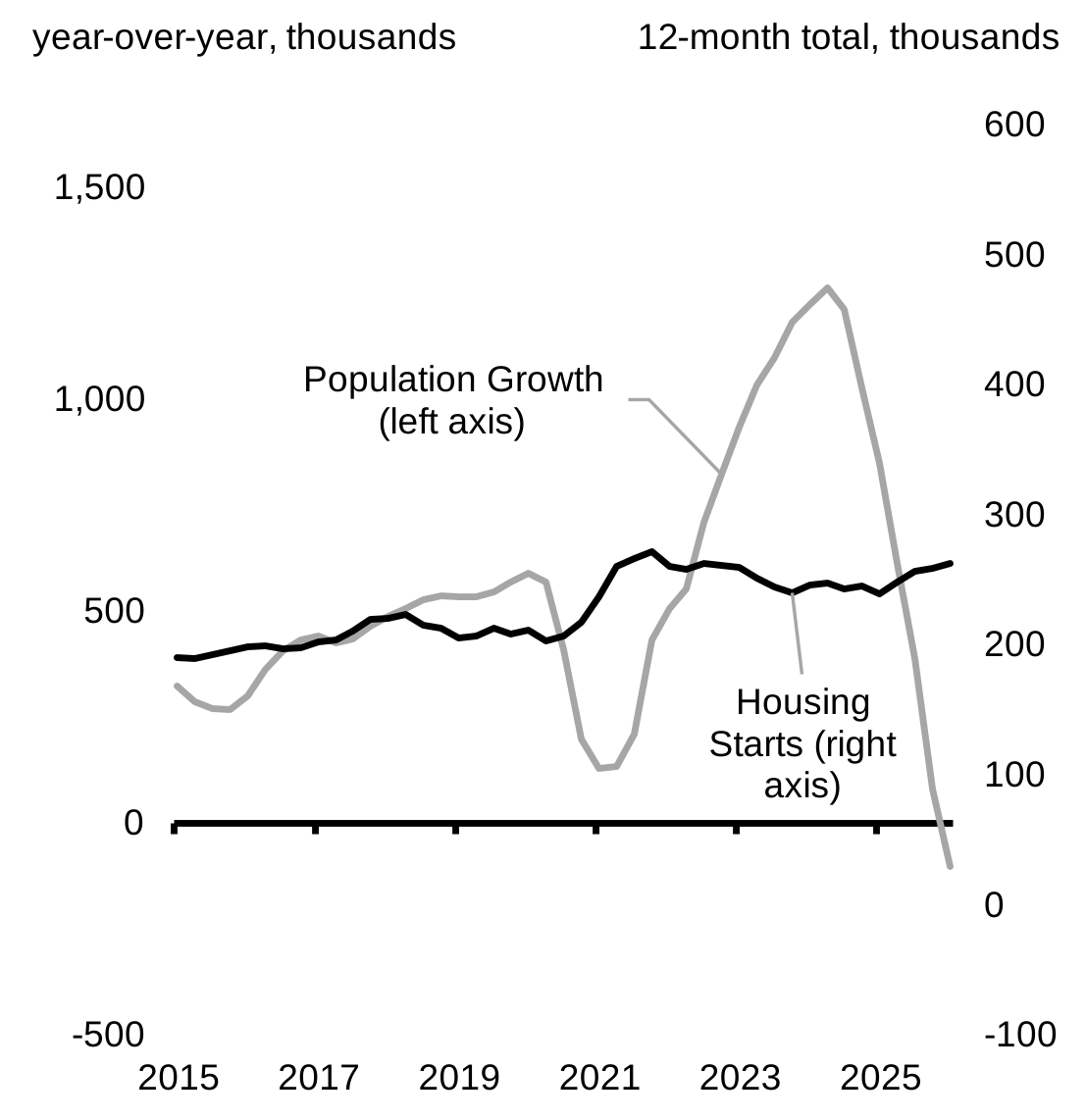
Overall construction activity has remained elevated by historical standards. Housing starts totaled 260,000 units in 2025—well above the 2000–2019 average of about 200,000—driven by record levels of purpose-built rental construction supported by federal measures.
Growing supply—combined with efforts to bring population growth back to more sustainable levels—is helping to narrow Canada's housing supply gap and deliver meaningful improvements in affordability (see box). Since recent peaks, average home prices have declined by 20 per cent, national rents are nearly 9 per cent lower than their 2024 peak, and average monthly mortgage payments for homeowners have fallen by more than $1,200 in Toronto and Vancouver, almost $400 in Calgary, and over $200 in Halifax from peak levels. Together with continued gains in real household incomes, these developments are restoring purchasing power and easing access to housing for renters and first‑time buyers.
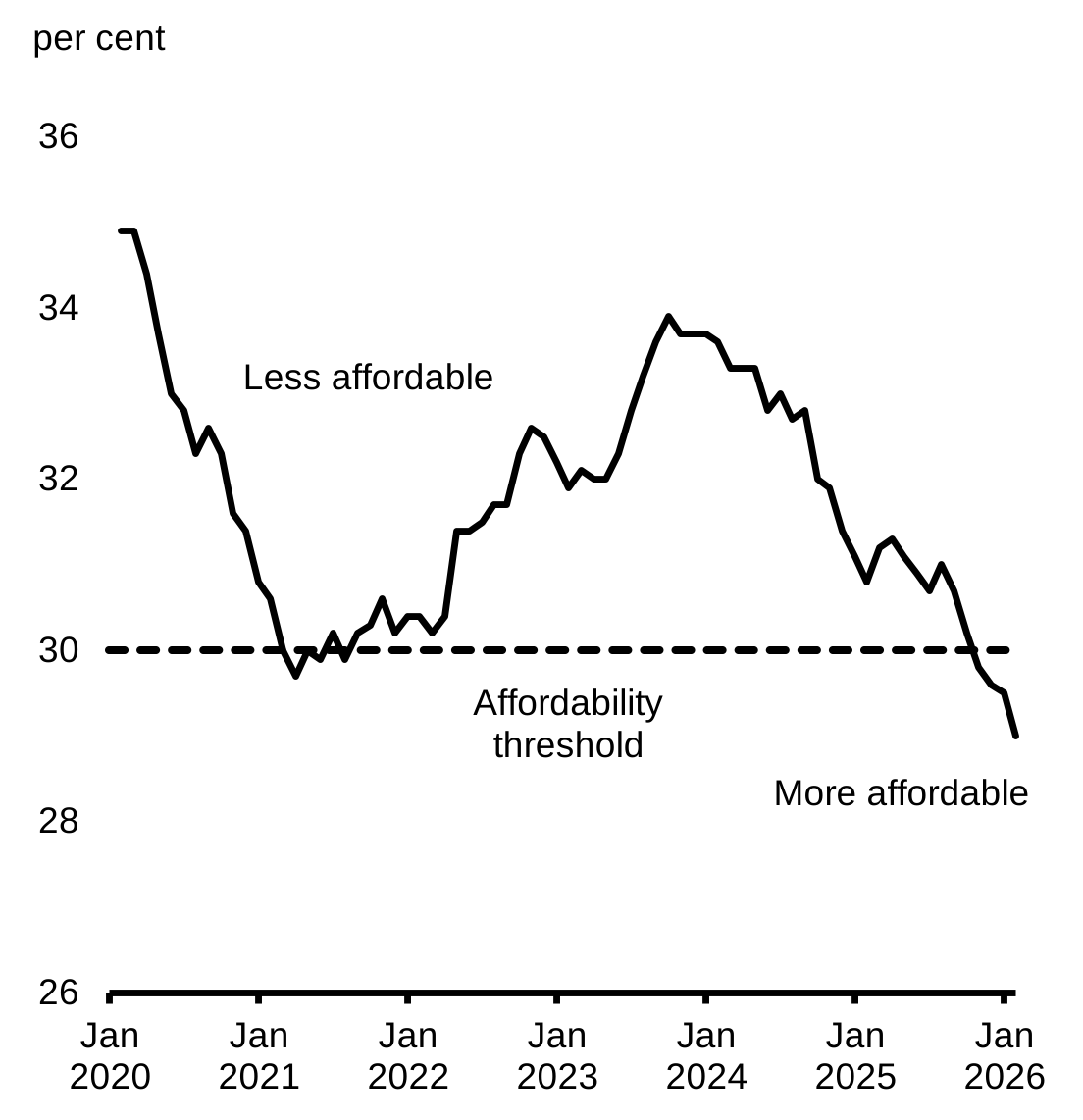
The Department of Finance's affordability metric, which measures monthly mortgage payments relative to median monthly wages, has improved to 60 per cent in early 2026, down from the September 2023 peak of 87 per cent, reflecting the combined effects of lower mortgage rates, declining home prices, and continued income growth. The ratio has now returned to around 2017 levels. Rental affordability has also strengthened: the share of disposable income required for rent by new tenants improved to 29 per cent, down from a peak of 34 per cent in October 2023 (Chart 18), with advertised rents now just under 30 per cent of renter gross income nationally—the first readings at or below that threshold in over six years.
At the same time, homeownership-oriented construction, including condos and ground‑level homes, has moderated amid softer demand, high costs, and higher inventories. Leading indicators suggest that activity in these segments will continue to ease, with new home sales in several markets remaining below historical levels and contributing to builders delaying and cancelling projects. This adjustment has weighed on construction employment, resulting in job losses in the skilled trades and construction, with residential construction employment down by 6.2 per cent and 2.6 per cent in Ontario and British Columbia, respectively, in 2025. These workers are essential for supercharging homebuilding across the country. Maintaining capacity in the construction sector remains essential to scaling up housing supply and securing durable affordability gains nationwide—a core policy priority.
Existing Home Prices Have Declined
Rental Affordability Is Improving
Rental Affordability Index Based on Average Asking Rents
Government Is Acting to Unlock New Housing Supply
Progress is being made, home prices have declined and asking rents have eased over the past two years, down almost 9 per cent since their most recent peak (see box), but far too many Canadians continue to struggle to find homes they can afford, and the ongoing market adjustment poses a risk to future housing supply.
Solving Canada's housing challenges requires immediate action to bring down costs, cut red tape, and build homes more quickly. That is why the government has introduced legislation to immediately provide $1.7 billion to provinces and territories to implement additional measures to unlock new housing supply, such as reducing development fees or levies on new home construction. The government has also announced a new partnership with Ontario to reduce taxes and fees for a home in Ontario by up to $200,000.
Housing activity is expected to stabilise as uncertainty recedes, the economy strengthens, affordability improves, and the government's actions to accelerate the pace of homebuilding take effect. This should allow for a gradual recovery in existing and new home sales and create a more favourable environment for homeownership‑focused construction.
Federal Actions Are Building Momentum on Housing Affordability
Housing affordability remains a major challenge, but momentum is building. Housing supply is expanding and population growth is returning to more sustainable levels, easing supply-demand pressures that have driven up housing costs in recent years.
Housing supply has expanded at a solid pace, driven by strong purpose-built rental construction. Rental starts reached about 120,000 units in 2025—roughly five times the 2000–2019 average. Federal incentives and financing support have contributed to this strength, with CMHC's multi-unit mortgage loan insurance programs supporting nearly 90 per cent of rental apartment starts in 2024.
At the same time, the 2026–2028 Immigration Levels Plan is helping return population to more sustainable levels, with growth slowing from a peak of 3.2 per cent in the second quarter of 2024 to -0.2 per cent at the end of 2025 and expected to remain subdued over the next two years. This is allowing new supply to catch up with underlying demographic demand (Chart 19).
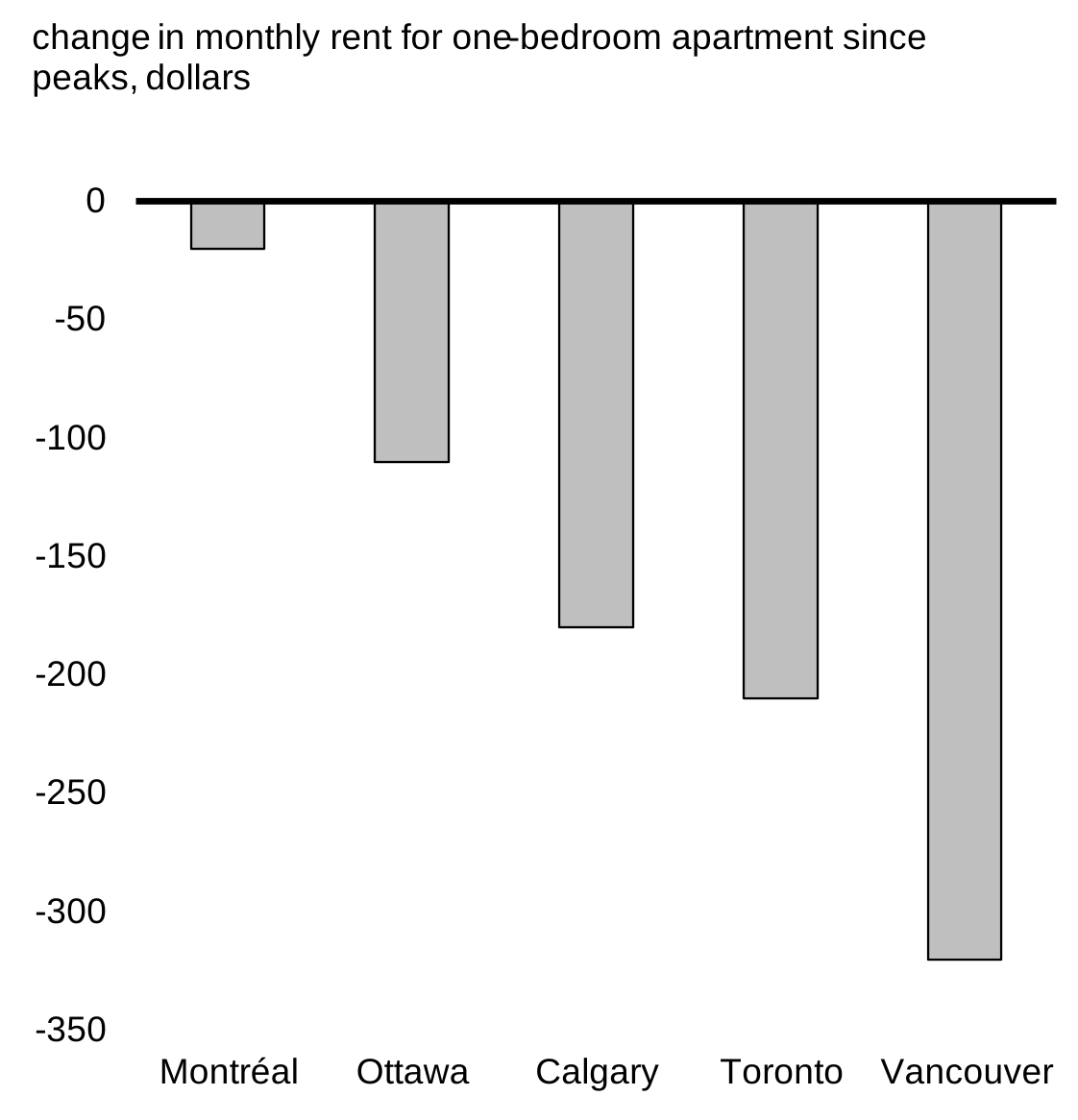
As a result, the housing supply gap is beginning to narrow, particularly in rental markets. Vacancy rates have risen above historical averages in several cities, and asking rents have declined by almost 9 per cent since peaking in late 2024, including declines of $210 in Toronto and $320 in Vancouver (Chart 20).
Home buyers have also seen some relief. Lower mortgage rates, combined with price declines in several markets, have resulted in improvements in the Bank of Canada's Housing Affordability Index from a peak of 54.5 per cent to 42.7 per cent. Monthly mortgage payments on an average-priced home for prospective home buyers have fallen by more than $1,200 in Toronto and Vancouver since late 2023.
The government's approach focuses on expanding Canada's housing stock by reducing building and financing costs, improving productivity in the homebuilding sector, and boosting the supply of affordable housing. Federal measures, estimated at over $140 billion in spending and foregone revenues over the next five years, cover the entire housing continuum, from homelessness to market-rate housing.
Structural reforms—paired with more sustainable population growth and targeted support for first‑time home buyers—have reduced and will continue to reduce the housing supply gap and improve affordability.
Housing Starts Expanding and Now Outpacing Population Growth
Average Asking Rents Have Fallen Since Their Peak
Inflation Remains Within the Target Range Despite Near-Term Volatility
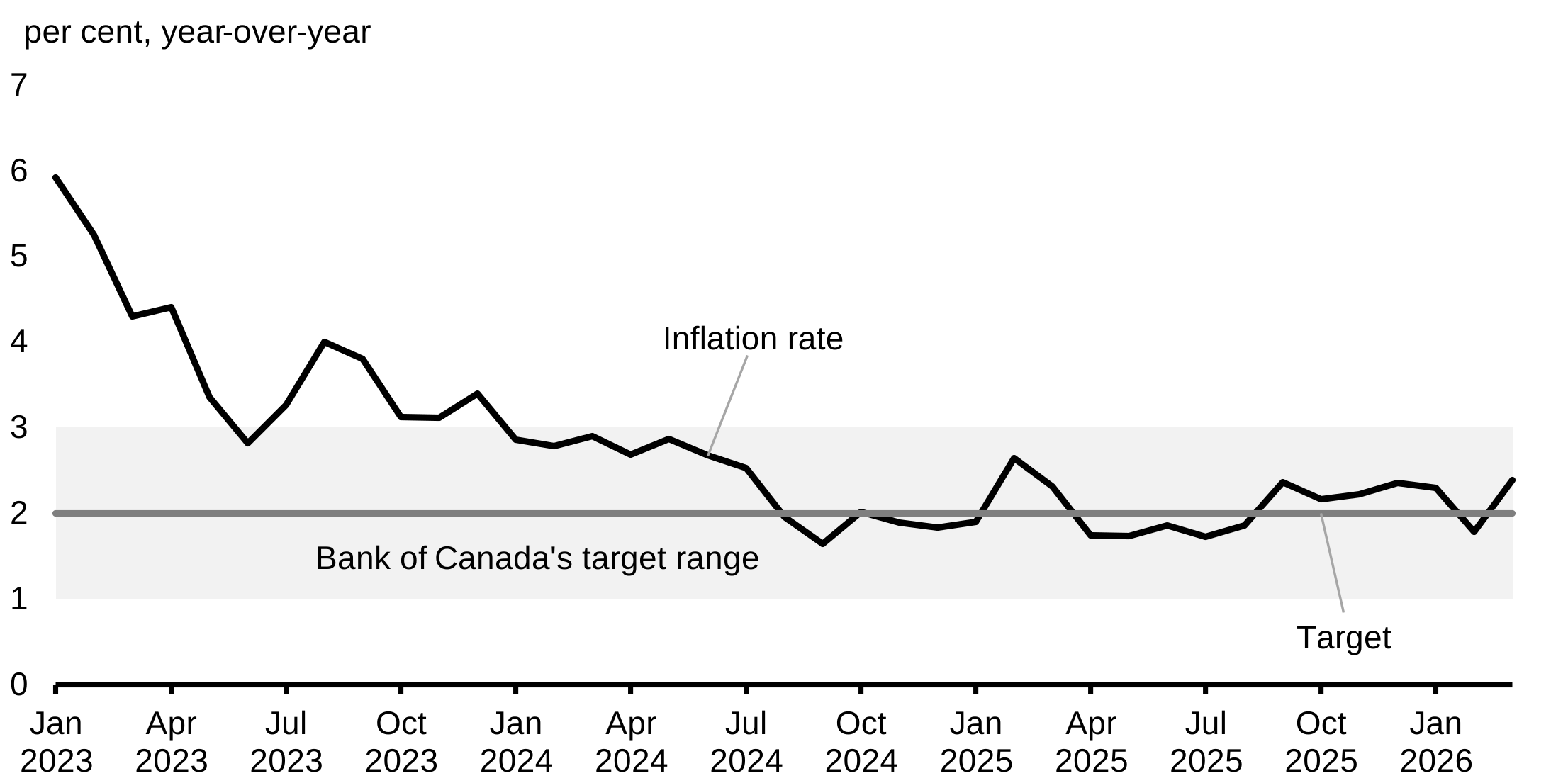
Prior to the conflict in the Middle East, inflation had moved close to target. It averaged 2.1 per cent in 2025, lowered in part by the removal of the federal consumer carbon price last April, and slowed to 1.8 per cent in February. Inflation then rose to 2.4 per cent in March, reflecting higher energy prices. Even with this increase, inflation has remained within the Bank of Canada's 1–3 per cent target range for 27 consecutive months (Chart 21). Measures of core inflation have eased since late last year and are now closer to 2 per cent.
Before March, energy prices were a drag on overall inflation, with prices down 9.3 per cent as of February, largely reflecting declining oil prices over 2025 and the ongoing effect from the removal of the consumer carbon price. In March, with the onset of the conflict, energy prices were up nearly 4 per cent year over year as gasoline prices soared. Indeed, retail gasoline prices had risen quickly—from a national average of $1.42 per litre at the end of February to $1.81 as of April 17th, an increase of nearly 30 per cent seen across the country. Following the implementation of the temporary suspension of the federal fuel excise tax on April 20th, gasoline prices decreased by 12 cents per litre on April 21st, indicating pass-through of the tax measure.
Inflation Has Remained Within Target for Over Two Years
Policy Measures Will Provide Relief from Fuel Price Pressures
To help ease the pressure from higher fuel prices, the government has announced a temporary suspension of the federal fuel excise tax on gasoline, diesel, and aviation fuels across Canada. Starting on April 20, 2026, this measure would be in place until and including September 7, 2026, and is expected to reduce Canadians' bills at the gas station by up to 10 cents per litre on regular gasoline and up to 4 cents on diesel. This relief will also reduce operating costs for many businesses.
If the increase in oil prices is temporary, inflation is expected to return to the 2 per cent target by the end of the year. Other tariff-related cost pressures appear contained, and soft economic conditions could help limit the pass-through from higher energy prices. Underlying inflation dynamics had continued to improve heading into 2026, with the Bank of Canada's preferred core measures at 2.3 per cent in March, while momentum of those measures pointed to subdued price pressures.
By contrast, a prolonged disruption of shipping through the Strait of Hormuz would extend cost pressures. Elevated crude oil prices would persist for longer, increasing the likelihood of spillovers to other prices, especially for energy-intensive goods and services. Pressures on global food prices would also intensify, reflecting higher fertilizer costs and given that natural gas from the Middle East is a key source of nitrogen-based fertilizers globally.
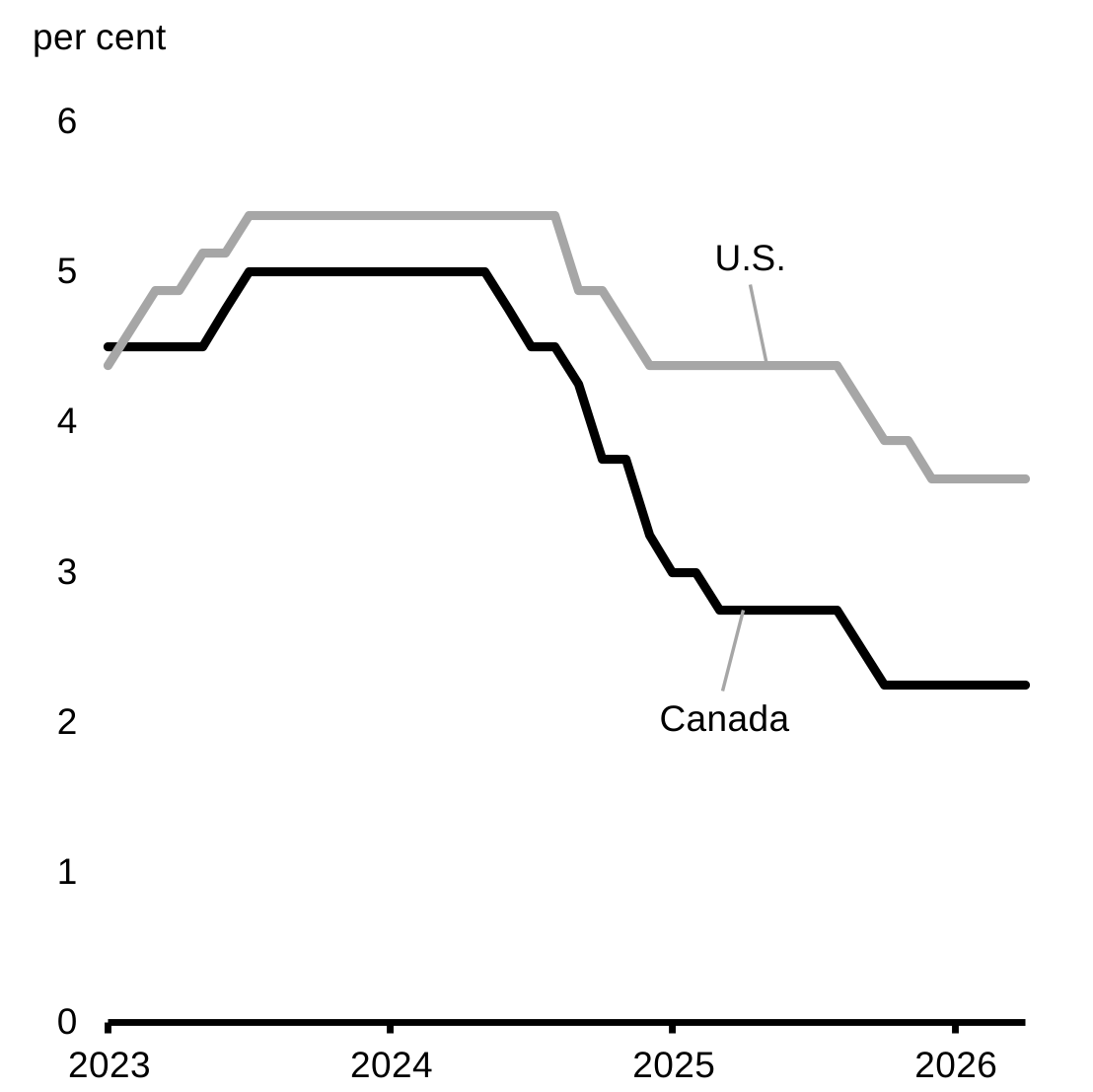
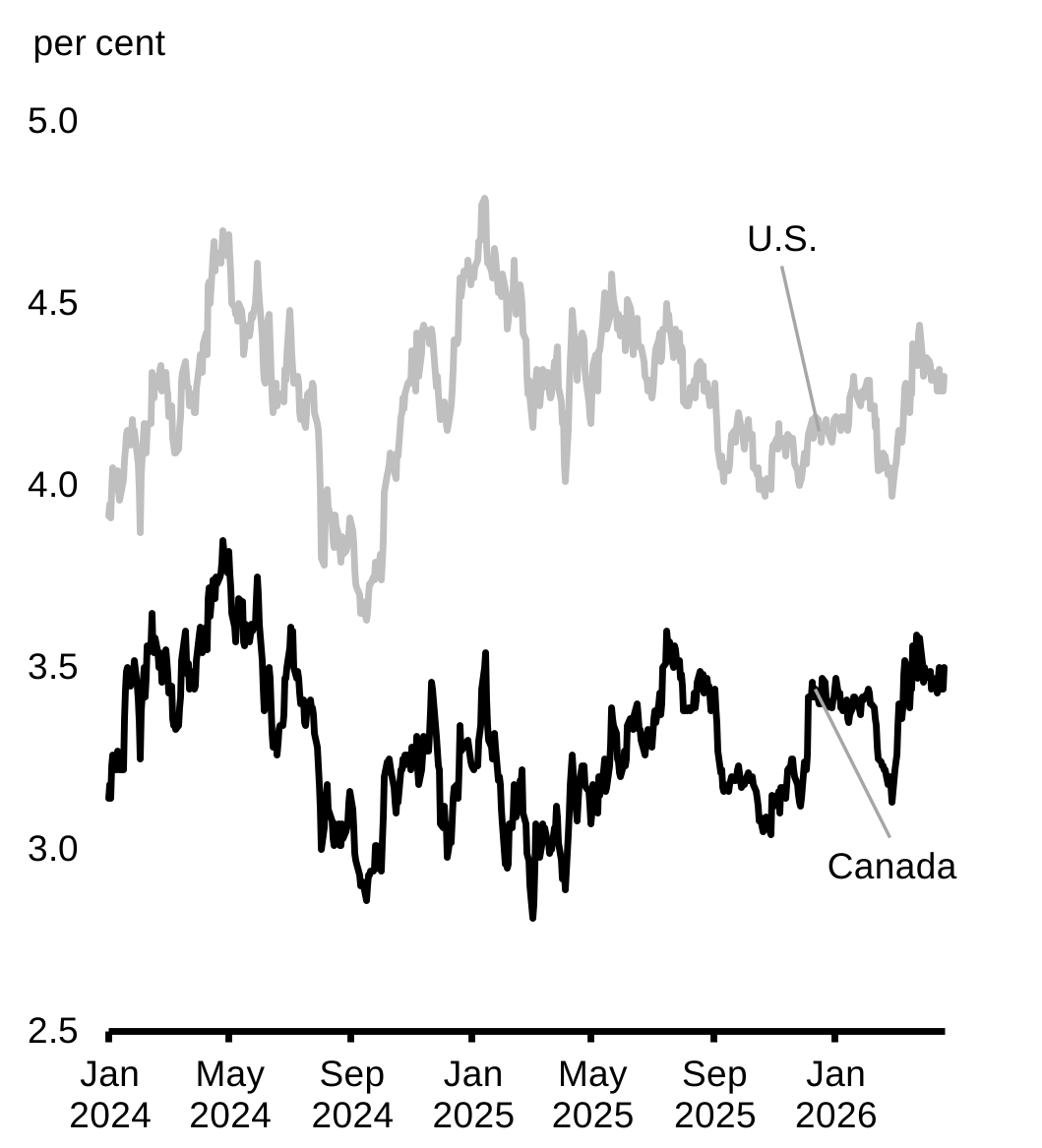
As inflation had stabilised faster in Canada than in most peer economies prior to the Middle East conflict, the Bank of Canada had lowered its policy rate by a cumulative 275 basis points since early 2024—more than the U.S. Federal Reserve (Chart 22). At 2.25 per cent, the policy rate was calibrated to support the soft landing underway. Bond yields have risen as investors re-assess inflation and interest rate risks stemming from the conflict, but Canada maintains its advantage over the U.S. on long-term rates (Chart 23). The Bank of Canada has noted in recent communications that there are downside and upside risks to the inflation outlook. The Canadian economy was evolving broadly as expected in its most recent forecast in January, but the conflict in the Middle East will also push inflation higher in the near term.
Food and Rental Inflation
Even as broad inflation measures improved, many Canadians continue to feel other cost pressures beyond fuel—especially for groceries and housing (see box).
Grocery inflation was 4.4 per cent year-over-year in March, reflecting temporary and structural global factors. A significant share of recent price pressures has been concentrated in a few items—beef, coffee, confectionery, and lettuce—which make up about 10 per cent of the grocery basket. Prices for these items were up 21 per cent year-over-year in January 2026 and have since begun to ease. Excluding these items, grocery inflation was 3.3 per cent in March.
Shelter inflation has slowed, reaching 1.7 per cent in March—remaining near its lowest level since 2021 and around its 2010–2019 average. Rent inflation, currently just above 4 per cent, largely reflects existing rents catching up to earlier increases in market rents as tenancies turn over, and is expected to ease as population growth slows and new rental supply comes online.
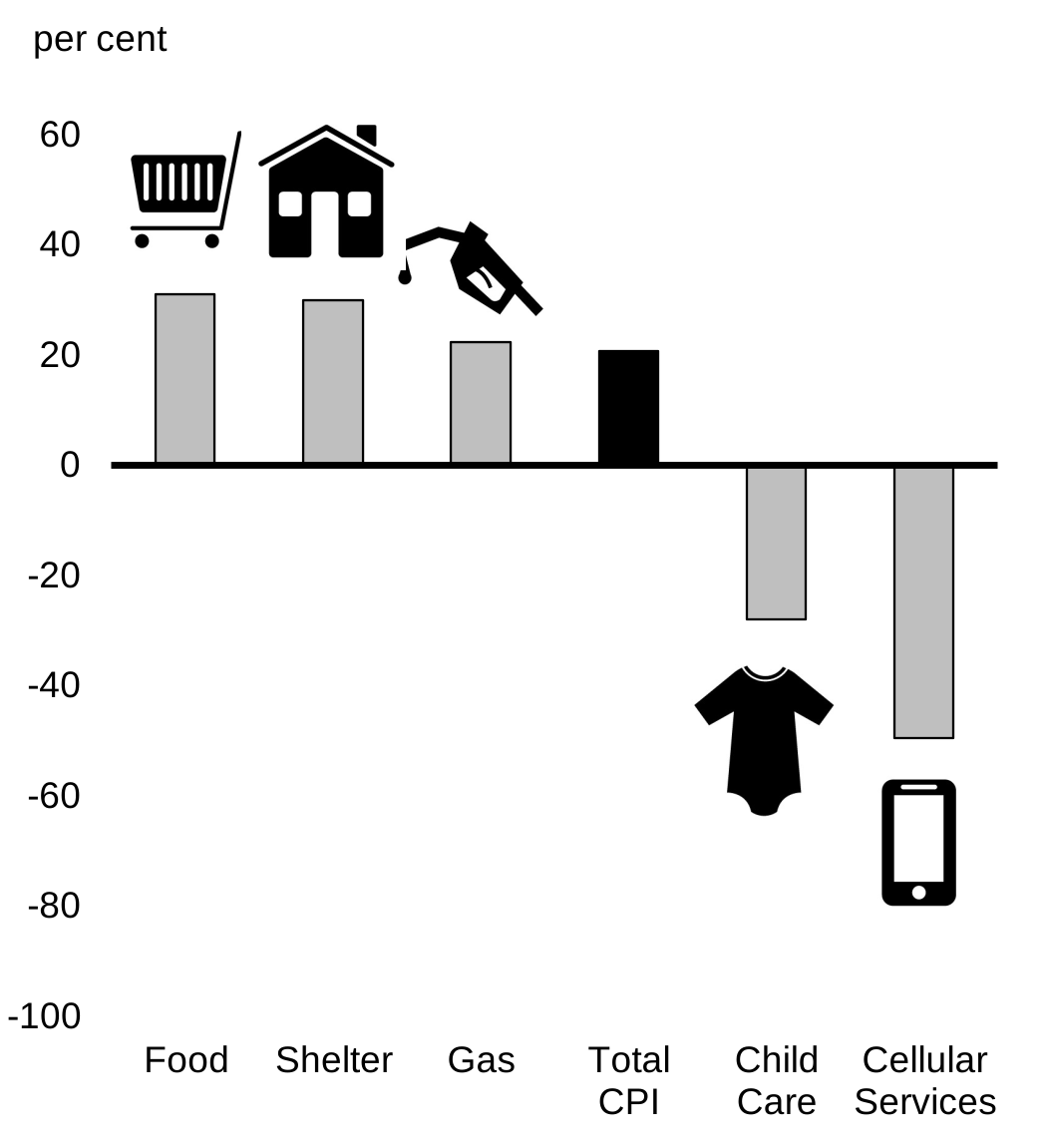
Canadians are seeing material improvements in affordability across other parts of household expenditures. The cost of child care nationally has fallen by nearly 30 per cent between 2019 and 2025, while the cost of cellular services has halved over the same period.
To help address food affordability challenges, the government is developing a National Food Security Strategy to make it easier for Canadians to access affordable and nutritious food and to build Canada's resilience and capacity to meet domestic needs. The government is also making groceries and other essentials more affordable for more than 12 million Canadians through the new Canada Groceries and Essentials Benefit.
Canada's Policy Rate Has Declined More Than the U.S.'s
Long-Term Rates Remain Lower in Canada
Why Canadians Still Feel Their Budgets Are Strained—And What the Government Is Doing About It
Inflation has remained within the Bank of Canada's target control range for more than two years, and wages have outpaced prices for over three years, improving purchasing power for many Canadians. Policy changes have also helped ease pressures on some everyday costs—such as gas through the removal of the consumer carbon price, child care, and cell phone bills (Chart 24). However, essential expenses—particularly groceries and housing—have risen sharply since 2019, and these higher price levels are straining household budgets even as inflation remains within the target control range.
High Price Levels Still Affect Household Budgets
Beyond the recent increase in gasoline prices, food inflation (groceries and food services) remains elevated at about 4 per cent—well below its pandemic-era peak but still high enough to strain budgets. Pressures are most acute for lower-income households, who devote a larger share of income to groceries (about 24 per cent versus roughly 8 per cent for other households) and have less ability to substitute toward lower-cost options.
While food prices are highly volatile, these pressures are not unique to Canada. G7 economies have experienced elevated food inflation due to global supply constraints and rising production costs (Chart 25). Higher agricultural commodity prices, elevated energy and fertilizer costs, weather-related crop disruptions, and the weaker Canadian dollar in late 2024 have all contributed to higher food prices. These pressures are amplified by Canada's highly integrated food supply chain. About 30 per cent of Canada's food supply is imported, rising to about 75 per cent for fresh produce, where prices tend to be more volatile and highly weather-dependent.
Housing costs also rose substantially during the post‑pandemic rebound, especially rents. While shelter inflation has now fallen back to 1.7 per cent, close to historical norms for the first time in five years, many Canadians are still adjusting to earlier increases. Encouragingly, new asking rents have declined in major cities such as Toronto and Vancouver over the last two years, reflecting improving supply conditions and easing demand pressures.
Government Actions to Support Canadians
To help Canadians manage persistent cost pressures, the government is pursuing a three-pillar approach that combines immediate relief with longer-term structural reforms (for full details, see Chapter 2):
- Direct support for household budgets: The new Canada Groceries and Essentials Benefit will provide hundreds of dollars more in near‑term relief to more than 12 million low‑ and modest‑income Canadians, helping to offset the rise in essential living costs. Families with two children are also saving $800 per year on groceries with the permanent National School Food Program, and 22 million Canadians are getting a middle-class tax cut, with two-income families keeping up to $840 per year in their pockets.
- Reducing key cost pressures where government can influence prices: Federal actions are lowering or slowing price growth in areas where policy levers are strong—such as child care, cellular bills, gasoline costs, and parts of the food supply chain—by improving resilience, lowering production costs, and strengthening distribution systems.
- Addressing the structural drivers of affordability: Long‑term measures focus on boosting productivity, expanding housing supply, and strengthening competition. These reforms aim to raise incomes over time and reduce the systemic cost pressures that have kept prices high. In the Canadian agricultural and food sector alone, up to $7 billion in new capital by 2030 is planned by Farm Credit Canada and more than 20 investment organisations. These investments will help to support innovation, which could help to lower food costs for Canadians. As announced in January, among other measures the government is also developing a National Food Security Strategy to strengthen domestic food production and improve access to affordable, nutritious food.
Together, these actions form a coherent affordability strategy: immediate help for those who need it most, targeted measures to lower everyday costs, and structural reforms to improve affordability over time.
Policy Changes Have Helped Restrain Some Prices
Change in Prices since 2019
Canada's G7 Peers Have Also Faced Higher Food Inflation
Change in Food Prices since 2019
What This Means for You
The economy has remained steady despite U.S. tariffs. Businesses are adapting, new markets are opening, and exports are recovering—supporting jobs and growth. At the same time, many households still feel cost-of-living pressures and some sectors remain vulnerable. Wages remain firm, but gasoline prices have increased sharply amid higher oil prices and essentials like housing and groceries are still expensive. Rents have started to ease in many areas as supply increases, while home prices have come down in some markets. The government is responding by supporting affected sectors, investing in housing to boost supply and affordability, and lowering costs for essentials like groceries and child care.
Canadian Economic Outlook
Growth Expected to Strengthen
The Department of Finance Canada regularly surveys private sector economists on their outlook for the Canadian economy (see Annex 1 for details).
In the early March 2026 survey, private sector economists expected current tariffs on Canada to remain in place over the near term. Forecasters did not anticipate a return to broadly open, low-tariff global trade. In addition, private sector economists expected trade uncertainty to remain elevated over this year and next, reflecting sectoral tariff threats and a likely complex review of CUSMA.
The conflict in the Middle East has created an additional shock to the Canadian economy, which was already adjusting to the impact of U.S. tariffs. In the early March survey, private sector economists incorporated the expected initial impacts of the conflict in the Middle East. They had increased their near-term assumptions for crude oil prices, resulting in higher CPI and GDP inflation for this year. Economists did not expect material impacts on real GDP or the unemployment rate, as they generally expected a short-lived conflict, with oil prices and inflation starting to normalise in the second half of the year. That said, the situation has continued to evolve and impacts remain highly uncertain.
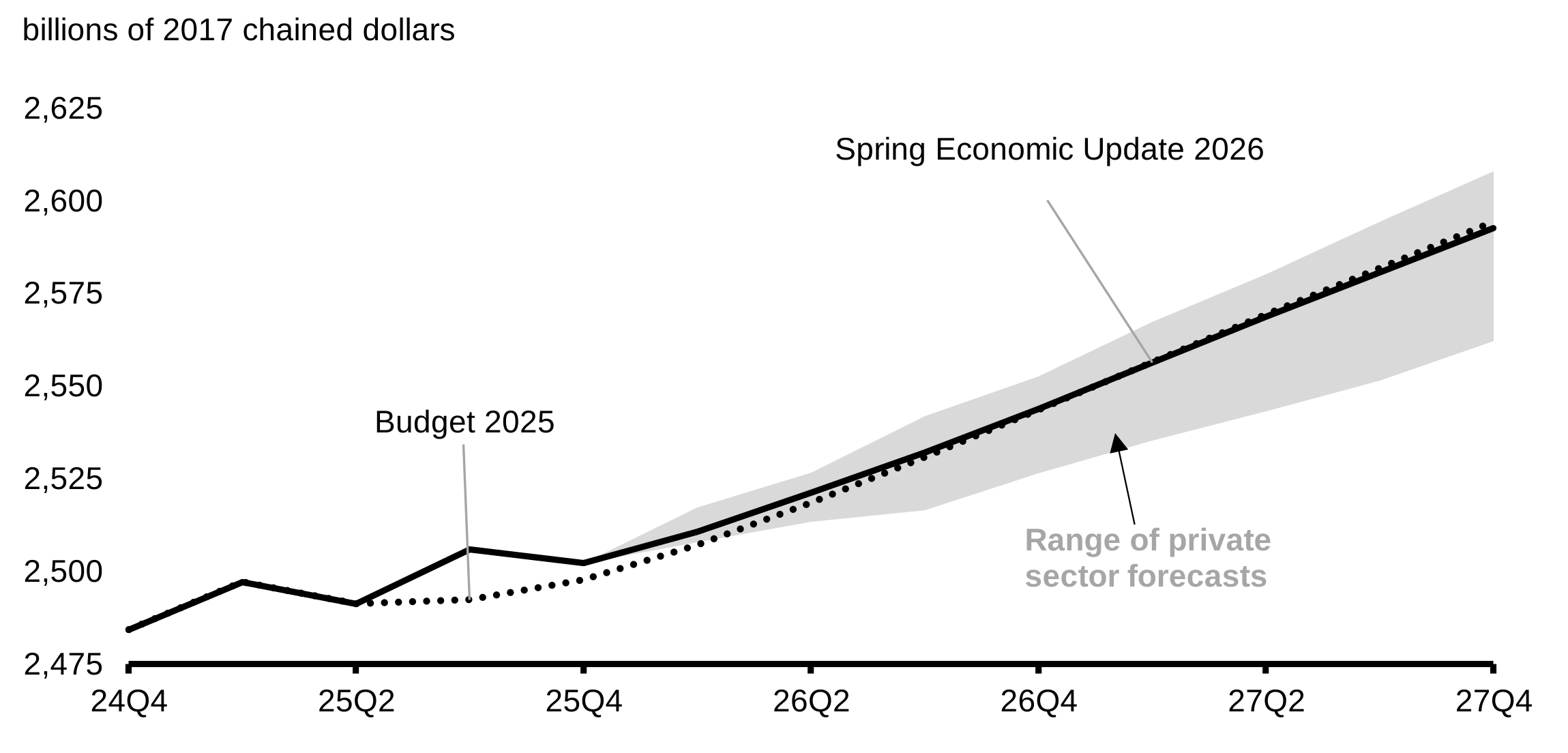
Private sector forecasts point to a wide dispersion in the outlook for real and nominal GDP, underscoring elevated uncertainty around the outlook. This reflects differing assumptions, particularly regarding the path of oil prices and how trade tensions and higher energy costs are expected to transmit through the global and Canadian economy. The range between the high and low real GDP forecasts is close to 2 per cent by the end of 2027, and suggests risks are tilted to the downside (Chart 26), reflecting concerns about weaker global demand, tighter financial conditions, and persistent uncertainty weighing on investment, exports, and household spending.
To further support prudent planning, the Department of Finance Canada has assessed a range of potential outcomes in the Economic Scenario Analysis section below.
Since Budget 2025, economic activity has shown volatility but, on average, performed in line with private sector expectations, while the labour market has stabilised. Following initial weakness from the onset of tariffs, real GDP growth surprised on the upside in the third quarter of 2025 before slightly declining in the fourth quarter.
The economy is expected to remain soft early in the year as the adjustment to the new trade environment continues. Improved confidence, supportive financial conditions, and public infrastructure investment should encourage firms to explore new markets and step up capital spending, supporting gains in exports and investment. As activity strengthens, the labour market is expected to improve, with solid wage growth supporting household consumption. Private sector forecasters expected real GDP growth to reach about 2 per cent by year-end (Chart 27).
Private Sector Economists See Risks Skewed to the Downside
Real GDP Level Projections
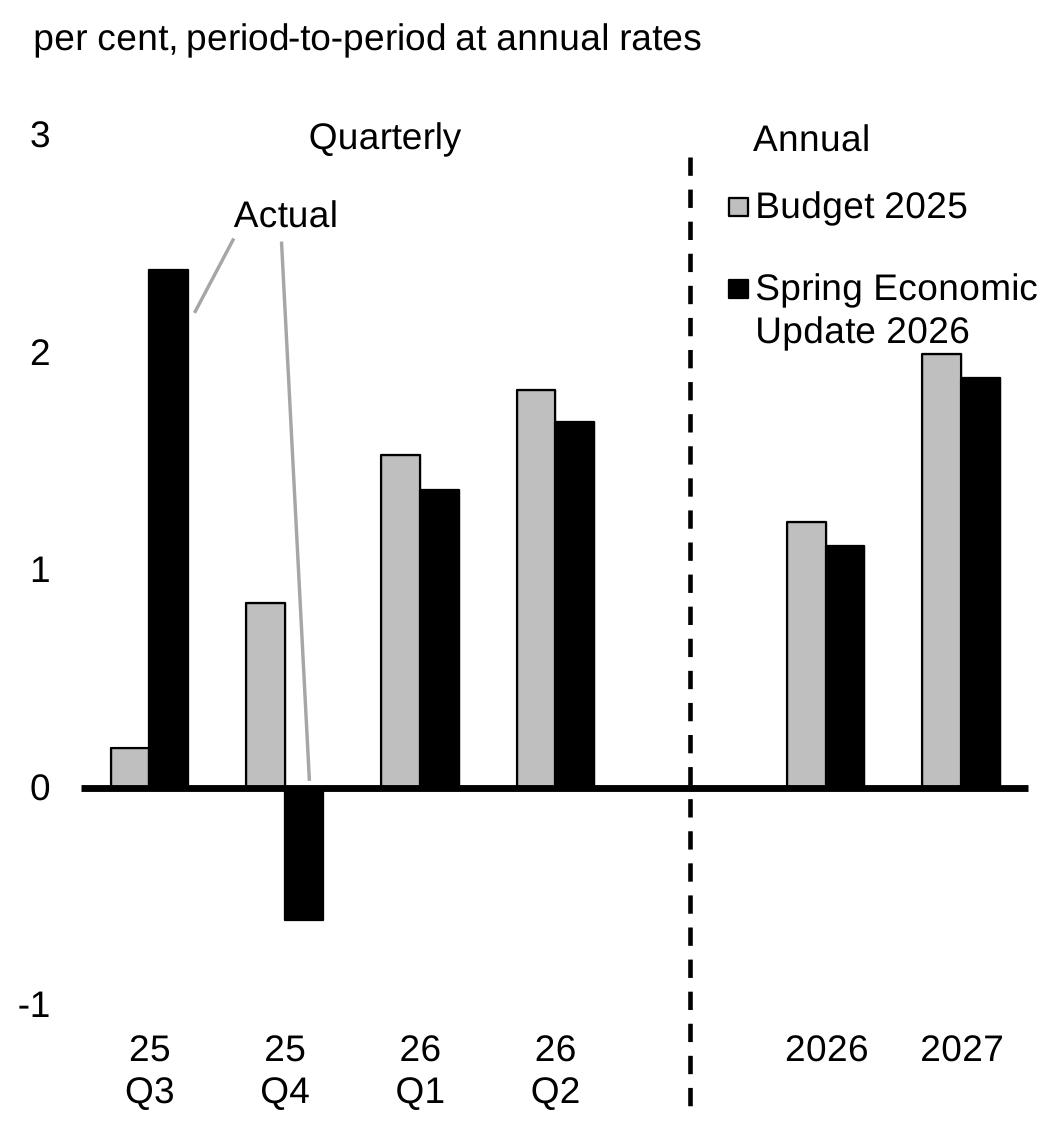
Overall, private sector forecasters expected real GDP growth of 1.1 per cent in 2026 and 1.9 per cent in 2027—compared to the Budget 2025 outlook of 1.2 per cent and 2.0 per cent, respectively. According to the IMF, Canada's performance is expected to remain strong internationally, with the second-fastest pace of growth in the G7 for the next two years.
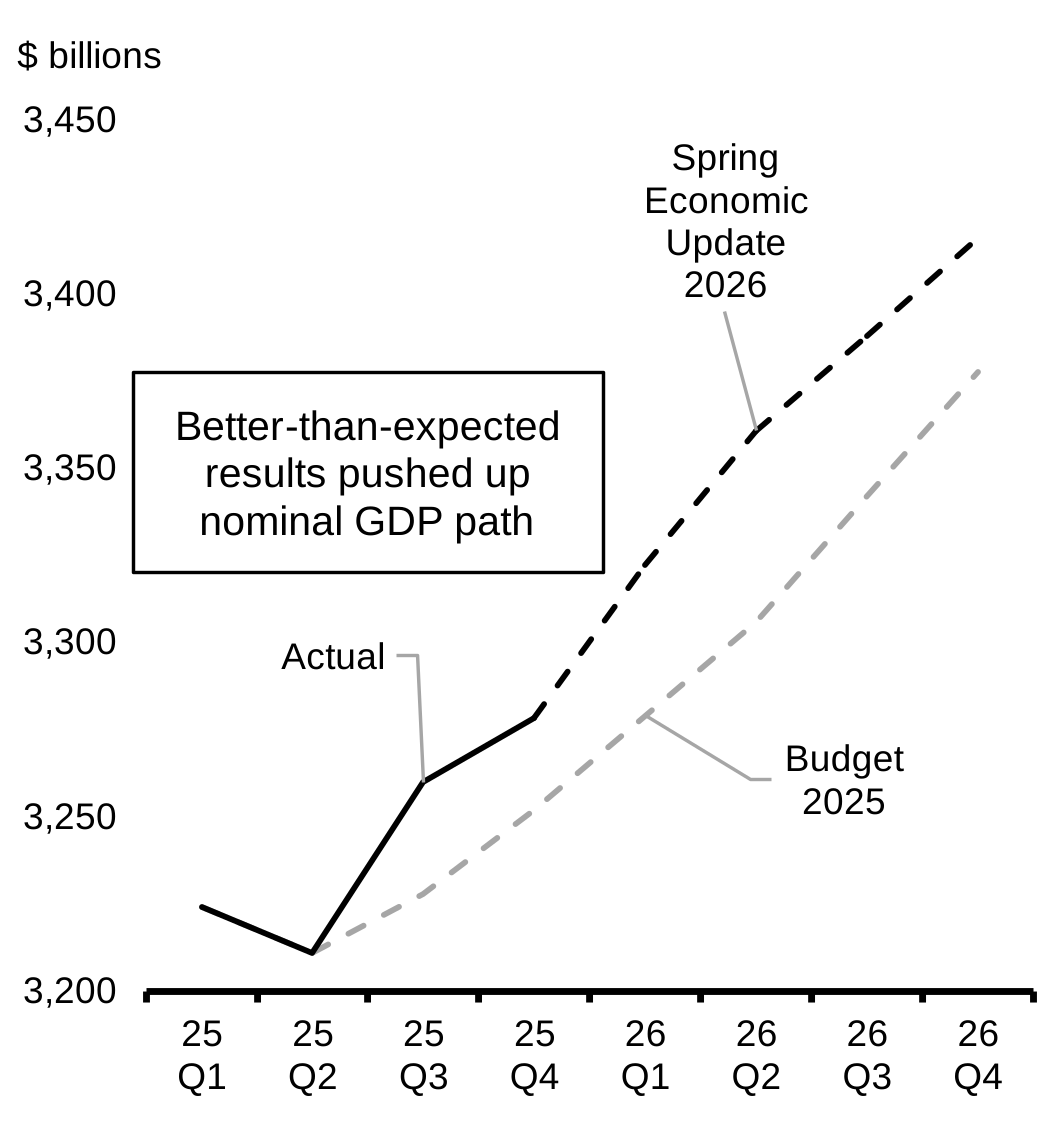
GDP inflation was expected to average 2.8 per cent in 2026 and 1.8 per cent in 2027, compared with 1.8 per cent and 2.0 per cent in Budget 2025. As a result, the level of nominal GDP was projected to exceed the Budget 2025 outlook by $31 billion per year on average over 2025-2029, reflecting stronger-than-expected results in the second half of 2025 and a stronger near-term GDP inflation outlook resulting from higher oil prices (Chart 28). Despite this improvement, forecasters continue to expect a persistent drag on Canada's productive capacity from weaker business investment and sectoral reallocation following the tariff measures. As a result, the level of real GDP is projected to remain 1.6 per cent below the pre-tariff 2024 Fall Economic Statement projection by 2029.
In the March survey, private sector economists expected:
- WTI crude oil prices to ease from peaks of nearly US$100 per barrel at the onset of the Middle East conflict and to average US$80 per barrel in the second quarter of this year (US$15 per barrel above Budget 2025). The price of oil was expected to average US$73 per barrel in 2026 compared to the Budget 2025 forecast of US$65 per barrel. It was then expected to decline to US$66 per barrel in 2027, in line with Budget 2025.
- CPI inflation to average 2.5 per cent in 2026 and 1.9 per cent in 2027 (compared to 2.0 per cent for both years in Budget 2025). Inflation was then expected to be at 2.0 per cent from 2028 onwards, the same as in Budget 2025.
- The unemployment rate to average 6.5 per cent in 2026, down from the 6.8 per cent expected in Budget 2025, and to continue its downward trend reaching 6.0 per cent by 2029, the same as in Budget 2025.
- The Bank of Canada to keep its policy rate at 2.25 per cent through 2026. With the economy picking up, short-term interest rates were then expected to start rising in early 2027 reaching 2.7 per cent by 2028, a slightly higher peak compared to Budget 2025. Short-term rates were expected to settle at 2.6 per cent by 2029, the same as in Budget 2025.
- The 10-year bond rate to increase from an average of 3.4 per cent in 2026 to 3.6 per cent in 2027 and 3.7 per cent from 2028 onwards, about 10 basis points higher than the expectations in Budget 2025.
- In the U.S., AI investment and solid consumption, supported partly by strong equity markets, are driving growth. While real GDP growth in the U.S. was revised up to 2.4 per cent in 2026, this has not translated into stronger near-term Canadian growth expectations.
Scenario analysis below and Annex 1 box titled Economic and Fiscal Impact Sensitivity to Higher Oil Prices show how the results of the March survey change with different macroeconomic assumptions.
Real GDP Growth Projections
Nominal GDP Level Projections
What This Means for You
The economy is expected to continue growing, but the outlook is subject to heightened global uncertainty, including ongoing trade tensions and geopolitical risks. Private sector economists generally expect continued, robust growth over the next two years, though forecasts vary widely and Canada is not immune to this global energy shock. Higher oil prices will put upward pressure on inflation in the near term, but overall economic conditions remain broadly stable, with the labour market continuing to hold up. To support long‑term affordability and job opportunities, the government is focused on creating the conditions that allow businesses to invest, grow, and sustain employment—by fostering a stable, competitive, and resilient economic environment as Canada adapts to a more uncertain global landscape.
Economic Scenario Analysis
With the ongoing conflict in the Middle East, alongside tariffs and trade-related uncertainty, risks to the outlook remain elevated. To assess risks to the March survey forecast, the Department of Finance Canada consulted with private sector economists, with particular focus on the future path of oil prices. While risks stem from multiple sources, the scenarios presented below—while not exhaustive—are primarily anchored on alternative paths for the Middle East conflict and its transmission through energy markets, supply chains, global demand, and financial conditions. These scenarios help assess risks around the baseline forecast and support prudent fiscal planning.
Since the survey was completed, developments in energy markets point to a somewhat stronger near-term outlook for oil prices. These developments suggest WTI prices could average around US$80 for 2026, roughly US$10 above the level assumed in the March private sector survey. Based on estimated economic and fiscal sensitivity to higher oil prices (see the box entitled "Economic and Fiscal Impact Sensitivity to Higher Oil Prices" in Annex 1), such an increase in oil prices would improve the federal budgetary balance by about $1.9 billion. That said, the impact of oil prices on the economic and fiscal outlooks will depend on the evolution of other macroeconomic variables such as interest rates and global demand.
Details of the economic outlook, scenario analysis, and the sensitivity of key economic variables to oil price movements can be found in Annex 1.
Higher Investment Scenario
In the Higher Investment scenario, a prolonged disruption to global oil supply pushes WTI prices to peak at around US$115 per barrel in the second quarter of 2026. Prices remain elevated for an extended period, reflecting persistent disruptions, heightened geopolitical risk, and slow supply adjustment.
Higher oil prices contribute to higher inflation and weigh on global activity. However, Canada, as a net exporter of oil, benefits from improved terms of trade, driving up national income. The country is also seen as a reliable source of energy products as geopolitical risks and uncertainty in the Middle East persist, supporting demand for Canadian crude oil. Higher oil prices over the outlook, sustained global demand for secure energy supply, and policy efforts to accelerate major projects and catalyse new private investment lead to increased investment in the oil and gas sector and other industries, with positive spillovers to the broader economy through higher employment and income, helping to offset the drag from weaker global activity.
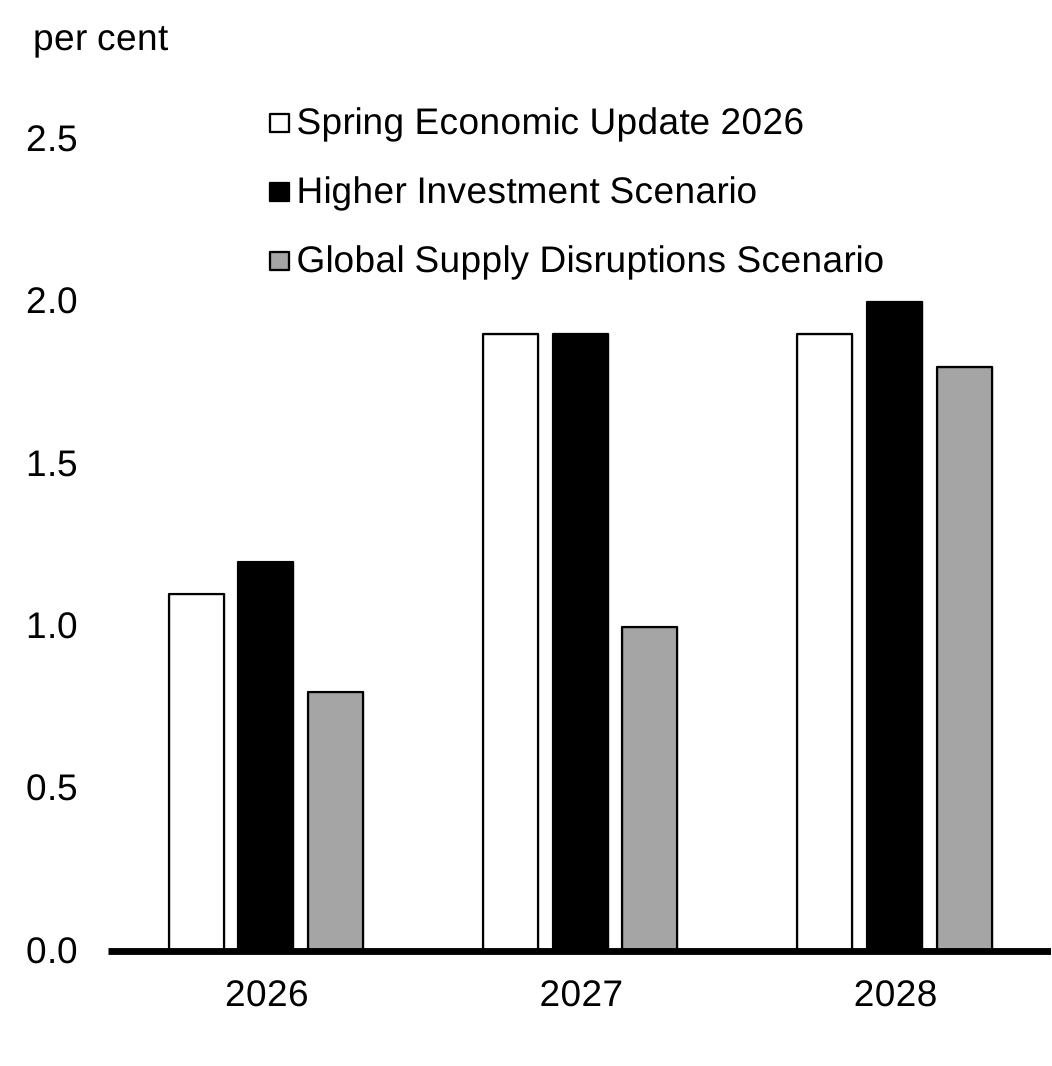
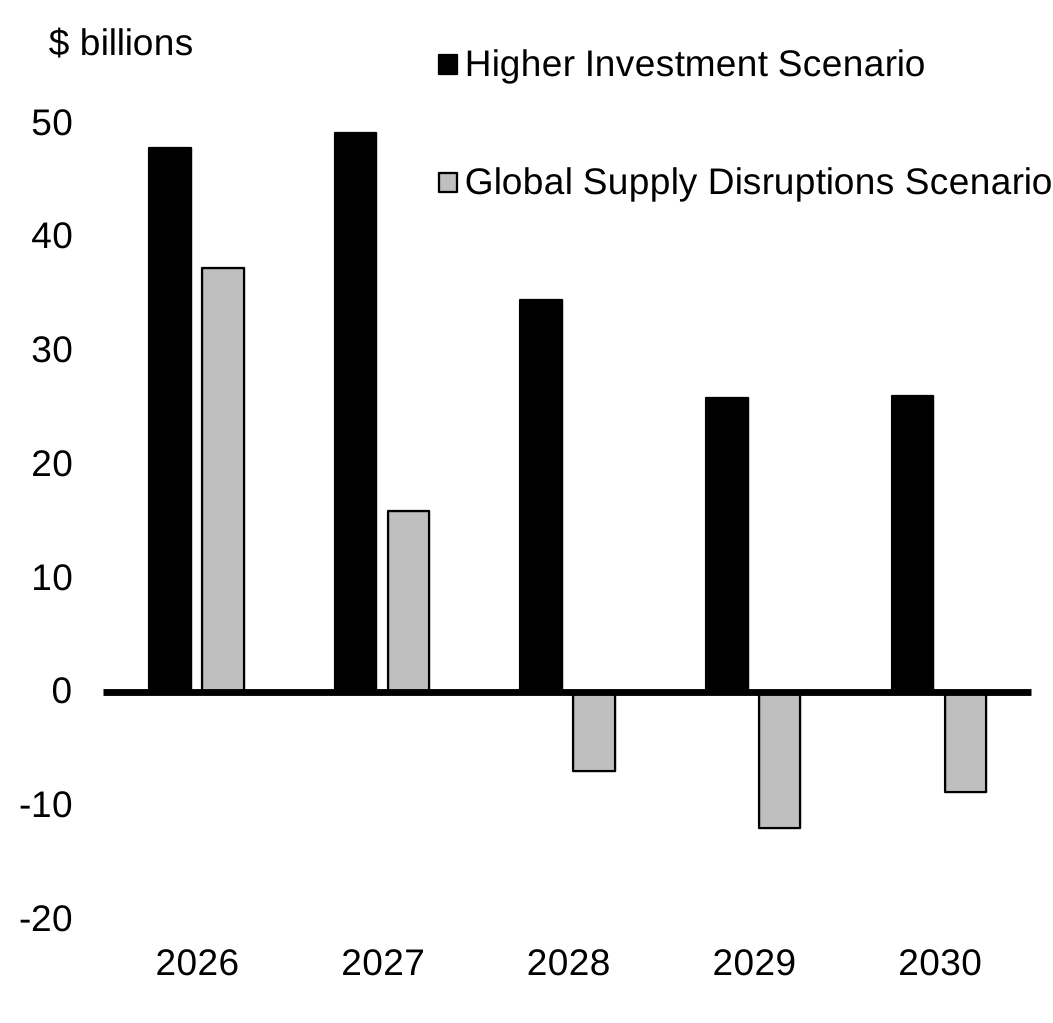
As a result, Canadian real GDP growth is modestly higher on average relative to the March survey forecast (Chart 29), leaving the level of real GDP 0.4 per cent higher than baseline by 2030. Alongside higher oil prices, nominal GDP is $37 billion higher on average per year compared with the survey (Chart 30).
Global Supply Disruptions Scenario
In the Global Supply Disruptions scenario, persistent export constraints in the Middle East and damage to critical energy infrastructure exacerbate global commodity shortages and trigger broader supply chain spillovers. Supply chains worldwide come under strain, as higher energy costs and prolonged shipping disruptions weigh on production and trade. Persistently elevated shipping and freight insurance rates also increase prices for commodities reliant on affected shipping routes in the Middle East, amplifying second-round cost pressures.
These developments further intensify inflationary pressures worldwide. Global monetary policy is more restrictive, while markets are pricing in higher inflation risks, contributing to a greater drag on global activity. Heightened geopolitical tensions also contribute to tighter financial conditions, lower asset prices, and weaker business and consumer confidence. The Canadian economy is not spared, compounded by ongoing adjustments to tariffs, as real GDP is affected through reduced consumption, investment, exports, and productivity. Structural uncertainty about future energy demand also results in a muted investment response by Canadian energy producers, despite higher oil prices.
Canada shifts to a slower real growth path compared with the March survey forecast, with the level of real GDP 1.3 per cent lower at peak impact in 2028. Nominal GDP remains higher than baseline in the first two years of the survey (by $37 billion and $16 billion, respectively) due to the impact of higher oil prices on the terms of trade. However, as prices normalise, weaker economic activity weighs on the level of nominal GDP, which falls below baseline by an average of $9 billion per year from 2028 to 2030.
Real GDP Growth Projections
Nominal GDP Level Difference From Spring Economic Update 2026
Fiscal Overview
Budget 2025 marked a strategic shift in the government's management of public finances, focused on expanding federal capital spending to mobilise investment, while maintaining fiscal responsibility. With significant investments to support infrastructure, innovation, and the development of domestic industrial capabilities, Budget 2025 set out a clear plan to build the strongest economy in the G7.
This fiscal plan remains rooted in fiscal responsibility—not for its own sake, but to create the capacity to invest in long-term economic strength and greater self-reliance. Consistent with this approach, decisions in the Spring Economic Update are guided by the government's two fiscal anchors: balancing operating spending with revenues by 2028-29 and maintaining a declining deficit-to-GDP ratio.
The government also remains committed to the disciplined implementation of Budget 2025 efficiency measures. This includes the Comprehensive Expenditure Review which, together with other measures in Budget 2025, totals $60 billion in savings and revenues over five years. With implementation well underway, the focus is now turning towards targeted, ongoing horizontal reviews, beginning with efforts to rein in spending on external management and other consulting services. These challenging but necessary actions will continue to support the government's objective of spending less, to invest more in Canadians.
Fiscal Outlook
While uncertainty remains elevated, the Canadian economy has proved resilient and higher oil prices have improved the terms of trade. The March private sector survey average—which forms the basis for the projections in this update—shows an increase of more than $30 billion per year in the level of nominal GDP over 2025-2029, relative to Budget 2025. This, along with year-to-date results, has translated into an improved fiscal outlook, with budgetary revenues increasing by an average of $7.2 billion annually compared to previous projections. Combined with lower projected expenses, this results in an improvement in the budgetary balance averaging about $12.1 billion annually before new measures, relative to Budget 2025.
Measures included in the Spring Economic Update represent a net cost of $37.5 billion over six years, starting in 2025-26, with 45 per cent focused on bringing down costs for Canadians with the Canada Groceries and Essentials Benefit, measures to drive housing supply, and a temporary suspension of the federal fuel excise tax.
Factoring in economic and fiscal developments, measures in the Spring Economic Update, and policy actions since Budget 2025, the 2025-26 deficit now is projected to be $66.9 billion—$11.5 billion lower than in Budget 2025— or 2.1 per cent of GDP. The deficit is expected to decline to $53.2 billion, or 1.4 per cent of GDP by 2030-31, consistent with the fiscal anchor. In addition, the federal debt-to-GDP ratio is expected to remain relatively stable from 2027-28 to 2030-31, and more than a full percentage point lower than projected in Budget 2025.
| Projection | |||||||
|---|---|---|---|---|---|---|---|
| 2024–2025 | 2025–2026 | 2026–2027 | 2027–2028 | 2028–2029 | 2029–2030 | 2030–2031 | |
| Budgetary balance - Budget 2025 | -36.3 | -78.3 | -65.4 | -63.5 | -57.9 | -56.6 | |
| Economic and fiscal developments since Budget 2025 | 17.7 | 15.7 | 10.7 | 8.6 | 7.6 | ||
| Budgetary balance before policy actions and measures | -36.3 | -60.6 | -49.7 | -52.8 | -49.3 | -49.0 | -46.4 |
| Policy actions since Budget 2025 | -1.3 | -4.4 | -4.0 | -2.8 | -2.4 | -2.1 | |
| Spring Economic Update 2026 (by chapter) | |||||||
| 1. Building Canada: All for Canada | 0.0 | -2.8 | -2.3 | -2.0 | -1.4 | -1.4 | |
| 2. Benefits for Canadians: A Canada for All | -4.9 | -8.5 | -4.1 | -3.6 | -3.4 | -3.2 | |
| Subtotal - Spring Economic Update 2026 measures | -4.9 | -11.3 | -6.3 | -5.6 | -4.8 | -4.6 | |
| Total – Policy actions since Budget 2025, and Spring Economic Update 2026 measures | -6.2 | -15.7 | -10.3 | -8.4 | -7.1 | -6.8 | |
| Budgetary balance | -36.3 | -66.9 | -65.3 | -63.1 | -57.7 | -56.2 | -53.2 |
| Budgetary balance (per cent of GDP) | -1.2 | -2.1 | -1.9 | -1.8 | -1.6 | -1.5 | -1.4 |
| Federal debt (per cent of GDP) | 40.7 | 41.1 | 41.5 | 41.8 | 41.9 | 41.8 | 41.6 |
| Budgetary balance - Budget 2025 | -36.3 | -78.3 | -65.4 | -63.5 | -57.9 | -56.6 | |
| Budgetary balance (per cent of GDP) | -1.2 | -2.5 | -2.0 | -1.9 | -1.6 | -1.5 | |
| Federal debt (per cent of GDP) | 41.2 | 42.4 | 43.1 | 43.3 | 43.3 | 43.1 | |
|
Note: A negative number implies a deterioration in the budgetary balance (lower revenue or higher expenses). A positive number implies an improvement in the budgetary balance (higher revenue or lower expenses). |
|||||||
Capital Investment Outlook
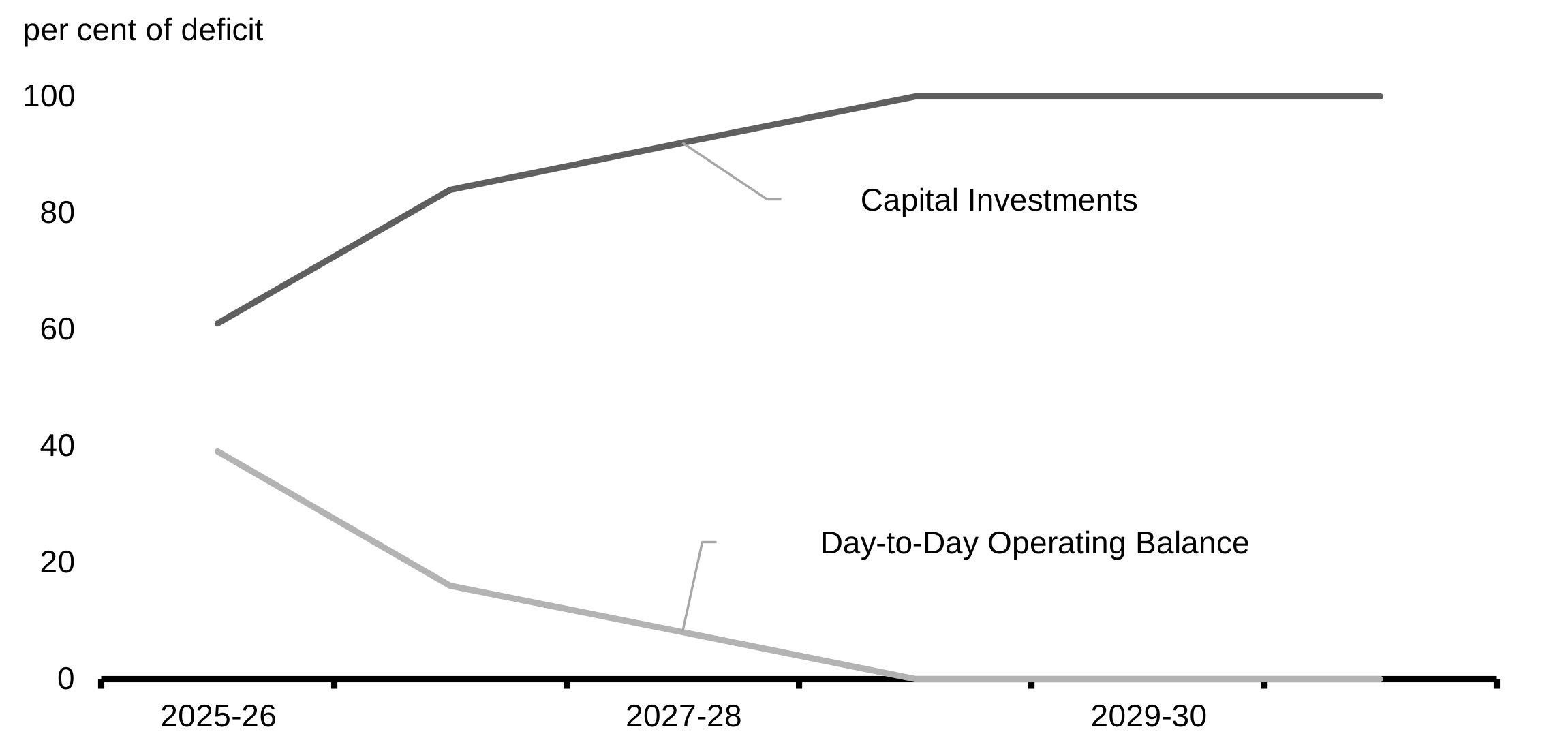
The Spring Economic Update 2026 continues to expand federal capital investment, including $225 million over five years for the Union Training and Innovation Program to enable upgrades to union-run training centres as well as investments to better support Indigenous housing providers. Consistent with the government's fiscal anchors, capital investments will account for 100 per cent of the deficit by 2028-29 (Chart 31). The government will continue to stand with Canadians dealing with economic challenges.
Spending Less to Invest More
Capital Investments and the Day-to-Day Operating Balance as a percentage of the deficit
Ongoing Horizontal Reviews
The government has made a clear commitment to fiscal discipline and, through Budget 2025, delivered on the Comprehensive Expenditure Review to reduce operational inefficiencies and redirect resources toward priorities. The government is now focusing on horizontal opportunities that go beyond individual departments, including federal procurement contracts, external management consulting, and thematic reviews of horizontal programming—including a review of skills and youth programming, with an emphasis on improving services.
The government recently launched the Federal Contracts Review, where the largest value contracts are being examined to identify opportunities for cost reductions and alternative pricing strategies. The government will no longer settle for a good price; Canadians deserve the best price. Pricing in contracts will be supported by best practices and global benchmarking. Opportunities for a Team Canada approach to procurement, combining the buying power of federal, provincial, and territorial governments, will be leveraged where possible.
As a first step, the Spring Economic Update 2026 focuses on reducing the use of external management and other consulting services by relying more on existing talent within the public service. Total spending on management and other consulting was about $5 billion in 2024-25, while total spending on professional and special services represented $23.1 billion. Specifically:
- As committed in Budget 2025, the Spring Economic Update 2026 proposes to reduce spending on external management and other consulting services by 20 per cent over the next three years, achieving savings of $450 million in 2027-28, and $900 million annually from 2028-29 onward. Implementation of this measure will protect the government's defence priorities while strengthening internal capacity and accelerating in-house skills development. Additional details on professional and special services are outlined in Annex 1.
Savings achieved will count toward the Budget 2025 commitment to save at least $7.75 billion over three years, starting in 2027-28, and $3.25 billion ongoing by optimising productivity in government.
Results of other reviews will be reported in Budget 2026, as targeted horizontal reviews become a permanent and predictable approach to strengthening expenditure management.
Economic Scenario Analysis
The Canadian economy has remained resilient amid continued uncertainty in the global landscape. However, recent developments in the Middle East and higher oil prices have introduced considerable near-term risks for economies around the world.
To support prudent fiscal planning around the March private sector survey forecasts, particularly on the future path of oil prices, and to stress-test the baseline forecast, the Department of Finance Canada has developed two economic scenarios. In both scenarios, a prolonged disruption to global oil supply pushes WTI prices to peak at around US$115 per barrel in the second quarter of 2026, with oil prices remaining higher than the March survey for an extended period, reflecting persistent disruptions, heightened geopolitical risk, and slow supply adjustment.
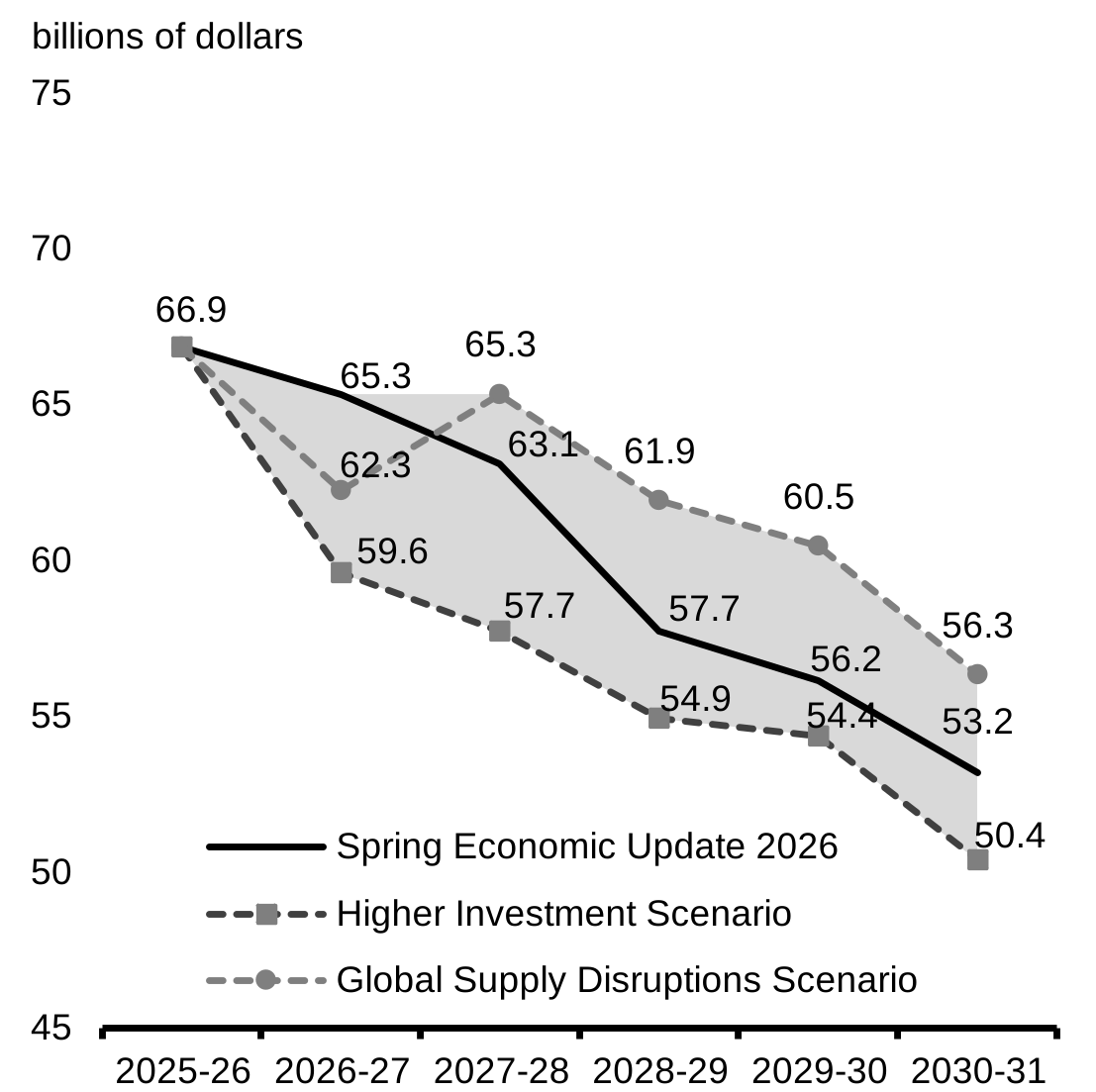
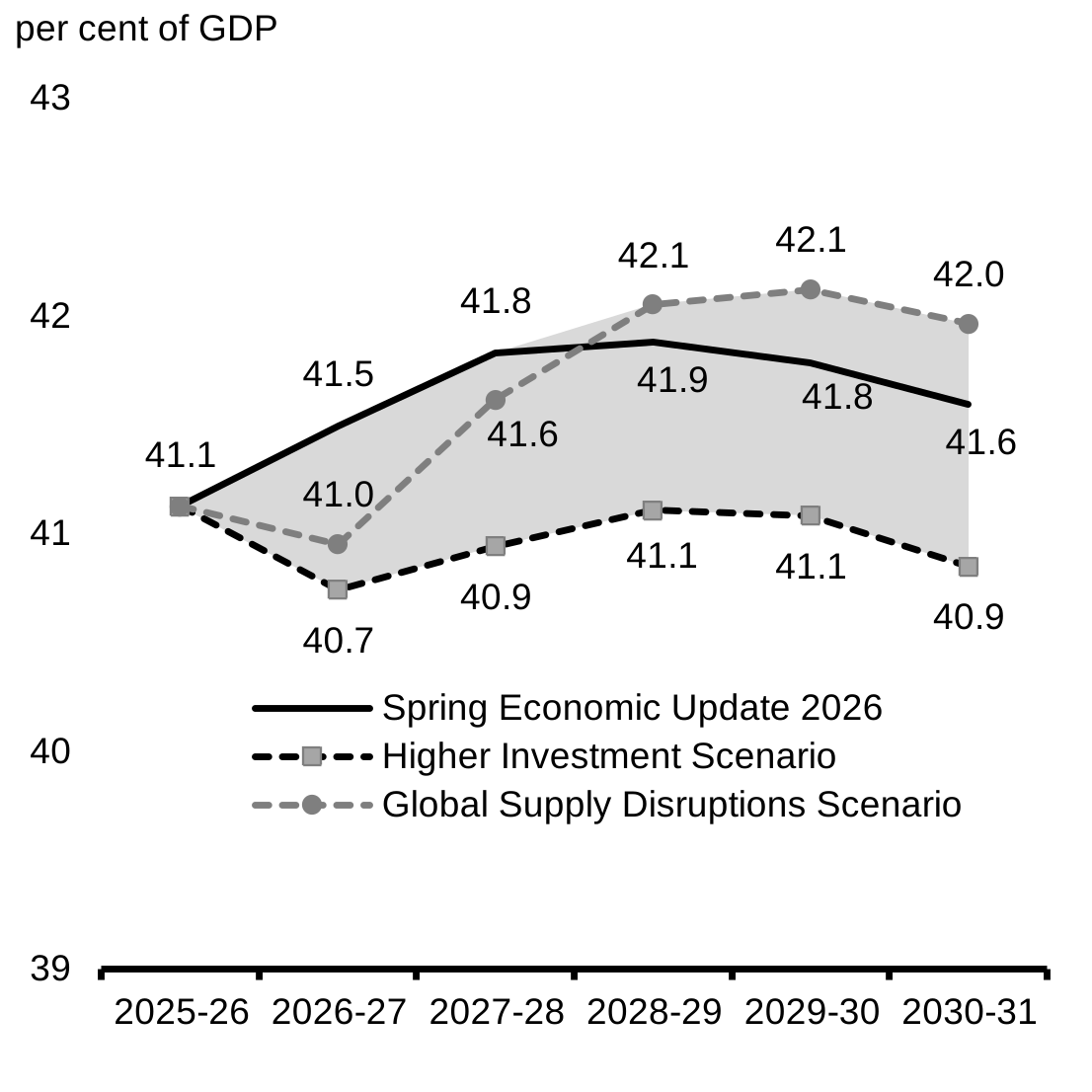
In the Higher Investment scenario, stronger global demand for secure and reliable energy supports increased investment in Canada. In this scenario the budgetary balance would improve by $5.7 billion in 2026-27 and $3.2 billion per year on average over the remainder of the forecast horizon (Chart 32). The federal debt-to-GDP ratio would be expected to decrease to 40.7 per cent in 2026-27 and increase to 40.9 per cent in 2030-31 (Chart 33).
In the Global Supply Disruptions scenario, the conflict in the Middle East disrupts global supply chains and leads to tighter global financial conditions, weighing on economic activity and deteriorating the budgetary balance. In this scenario, the deficit would initially improve by about $3.1 billion in 2026-27, driven by stronger revenues from higher oil prices but deteriorate by an average of $3.5 billion annually over the remainder of the forecast horizon (Chart 32). The federal debt-to-GDP ratio would initially decline to 41.0 in 2026-27, but increase to 42.0 per cent in 2030-31 (Chart 33).
Details of the government's fiscal outlook, the fiscal impact of the scenarios, and the sensitivity of fiscal projections to higher oil prices can be found in Annex 1.
Federal Deficit under Economic Scenarios
Federal Debt-to-GDP Ratio under Economic Scenarios
Preserving Fiscal Sustainability for Future Generations
As the old multilateral order weakens and the world becomes more fragmented and uncertain, the government is focusing on what it can control: making targeted, high-impact investments in Canadians and the economy while maintaining fiscal sustainability.
This approach is disciplined and deliberate. Ensuring that public dollars back high-impact actions with lasting economic returns, while spending less on government operations, will position Canada for sustained economic and fiscal capacity well into the future.
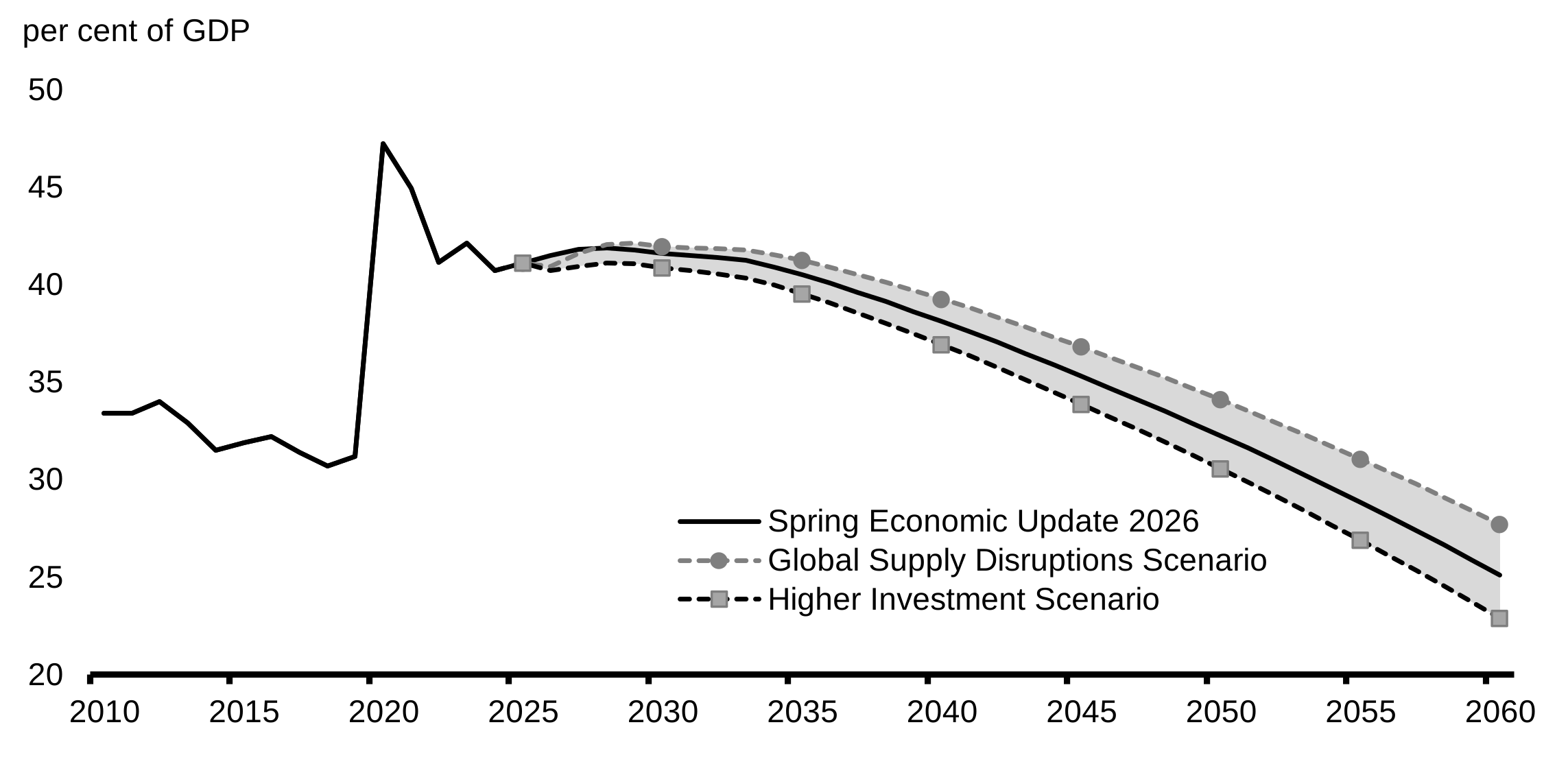
The government's economic plan is fiscally sustainable. Modelling scenarios developed by the Department of Finance Canada show the federal debt-to-GDP ratio on a declining trajectory over the longer term (Chart 34). Sensitivity analysis around these long-term fiscal projections also indicates the federal debt-to-GDP ratio would still be declining by the end of the projection horizon under the Global Supply Disruptions scenario.
Preserving fiscal firepower is crucial to manage future pressures, including, among others, from recessions, additional defence spending, population aging, climate change, and the transition to net-zero emissions.
Long-Term Projections of the Federal Debt
Canada's Fiscal Advantage
Globally, geopolitical instability, structural economic transformation, and intensifying competition are forcing governments to rethink how they respond to headwinds and build resilience for the future. Standing still is not an option as inaction and underinvestment carry significant costs, including slower growth, diminished competitiveness, and weaker security.
Canada starts from a position of strength to turn this moment of global uncertainty into one of national opportunity.
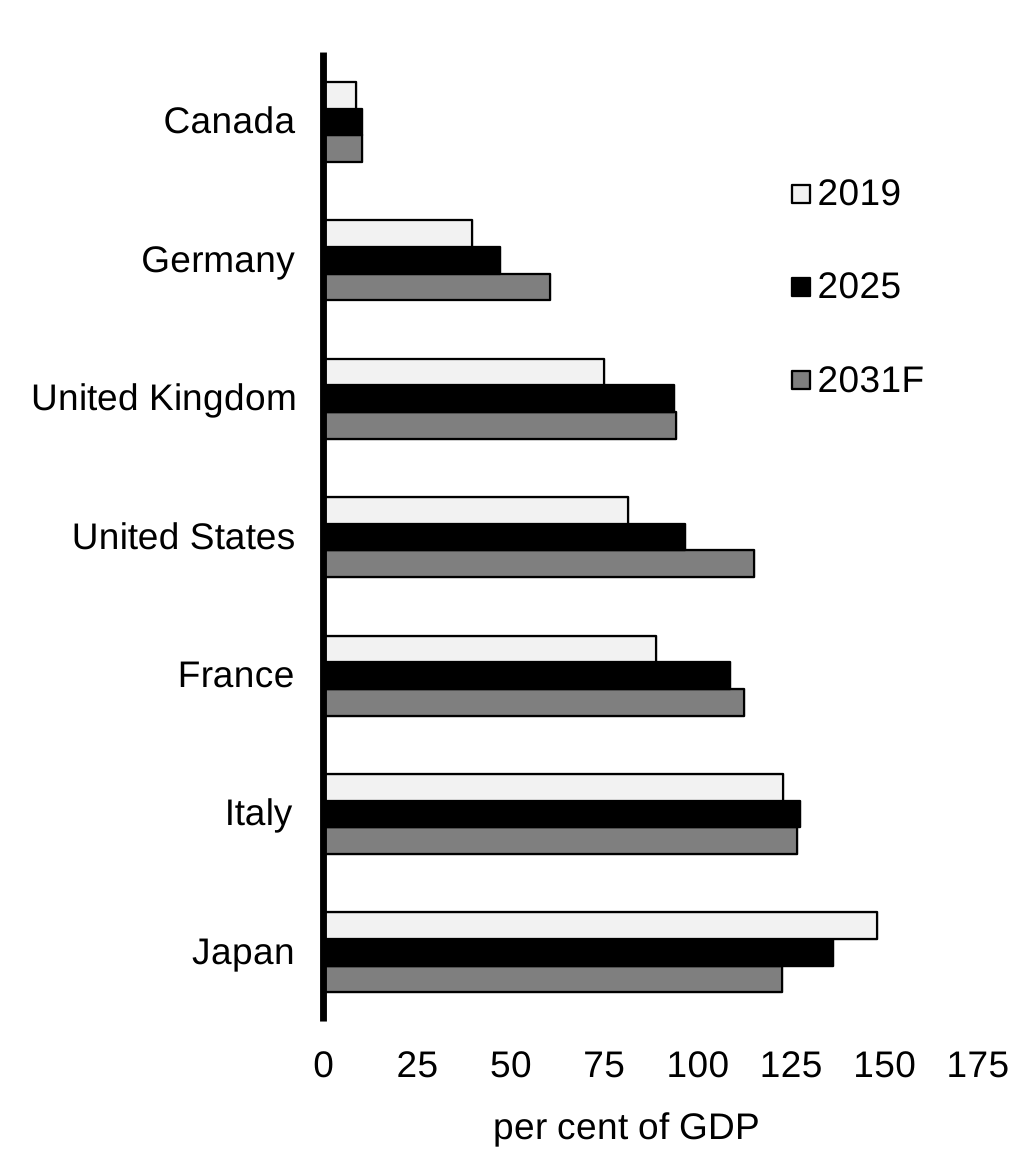
- Canada's net debt-to-GDP ratio stands at just 10.2 per cent, compared to the G7 average (excluding Canada) of 101.8 per cent (Chart 35).
- Canada's net debt burden today is lower than that of any other G7 country, and is even below the levels of those countries prior to the pandemic.
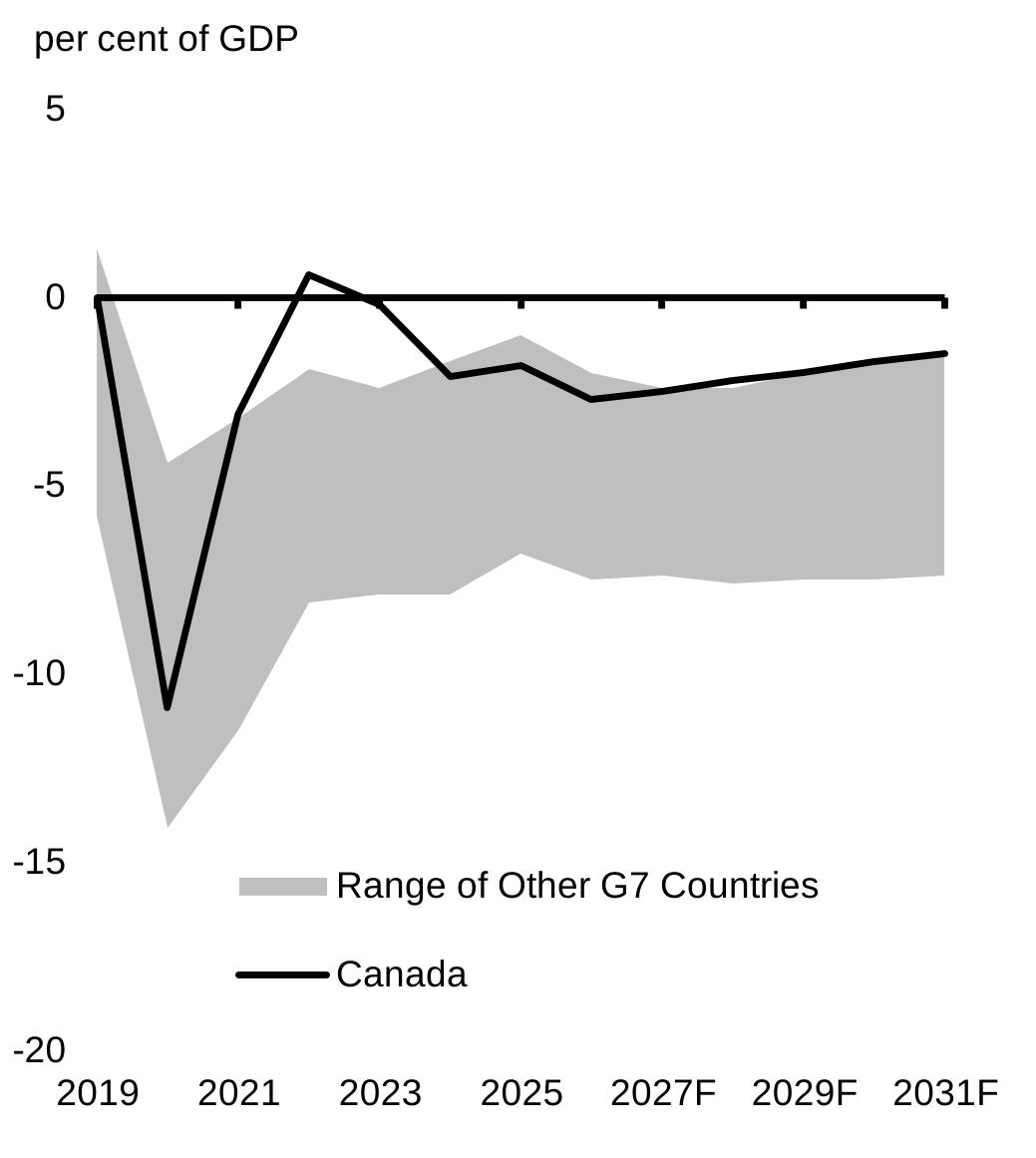
- Canada also has one of the smallest deficits in the G7 as a share of the economy (Chart 36).
This fiscal advantage gives the government the capacity—and the responsibility—to act to build a stronger economy to make life more affordable, to create high-paying jobs, to take care of each other and to determine our future.
All Levels of Government Net Debt, G7
All Levels of Government Budgetary Balance, G7
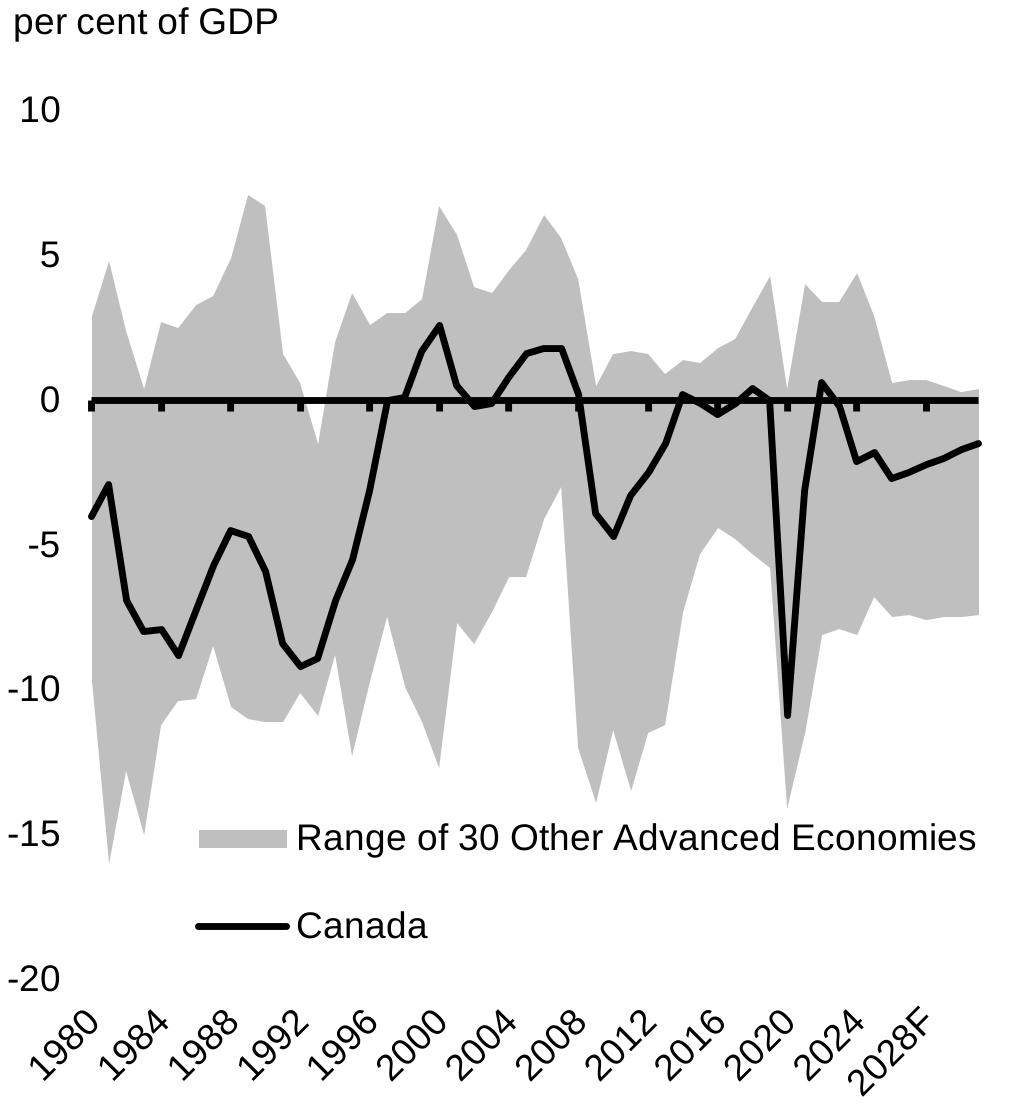
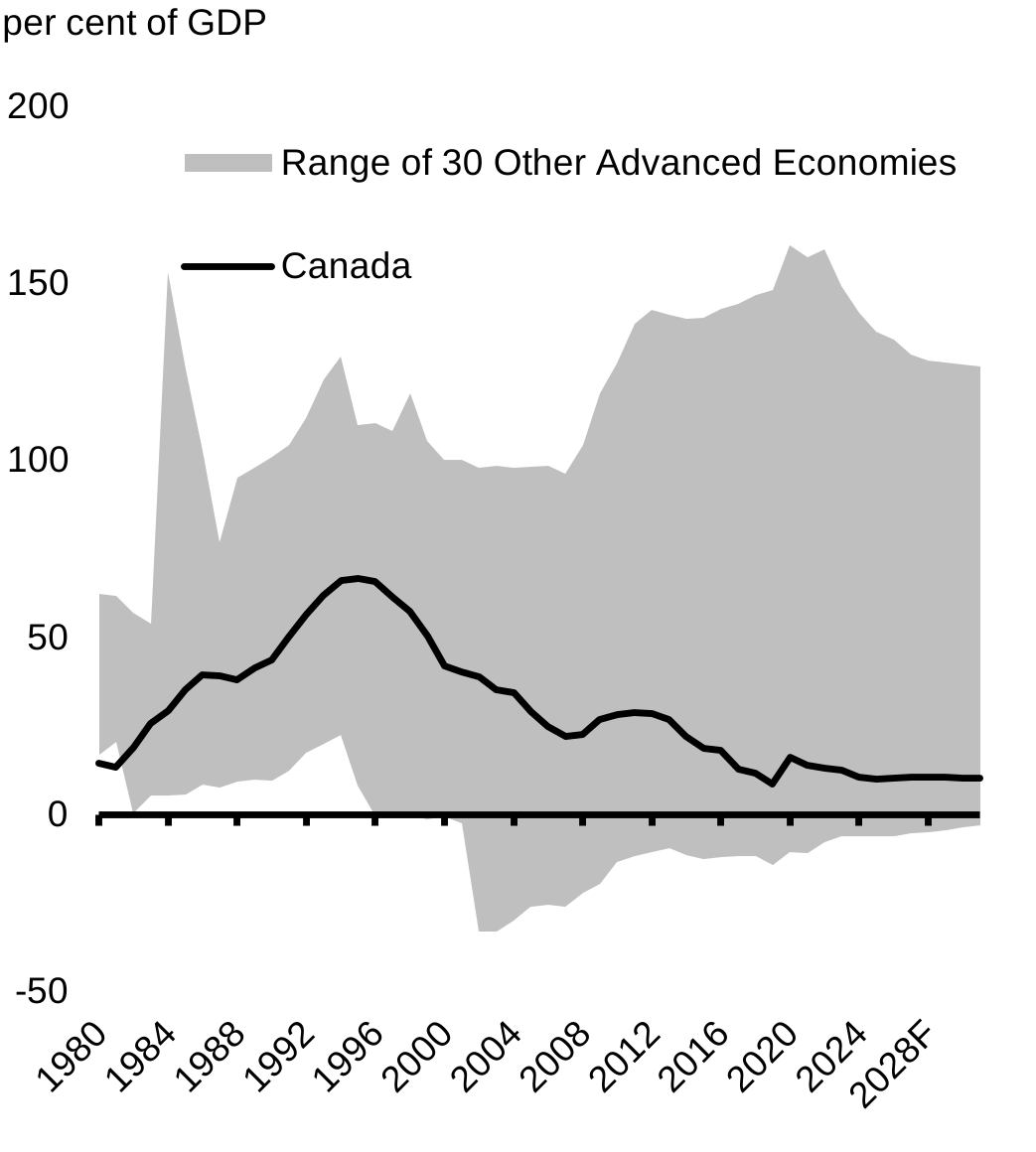
Canada's fiscal position also stands out among 30 other advanced economies, with a below-average deficit-to-GDP ratio and one of the lowest net debt-to-GDP ratios in the group (Charts 37 and 38).
Canada is also one of only two G7 economies, alongside Germany, to maintain AAA ratings from major global credit rating agencies. These AAA ratings support investor confidence and help keep borrowing costs as low as possible.
In a more uncertain world, the government's focus on what it can control—delivering lasting economic benefits for Canadians while reinforcing fiscal discipline—will help ensure Canada maintains its fiscal advantage going forward.
All Levels of Government Budgetary Balance, Adv. Economies
All Levels of Government Net Debt, Adv. Economies
Page details
- Date modified: